Wet Dry Shop Vac Odor Control: Make Your Vacuum Smell Better
By Hana Kobayashi • 21st Sep
What to do first
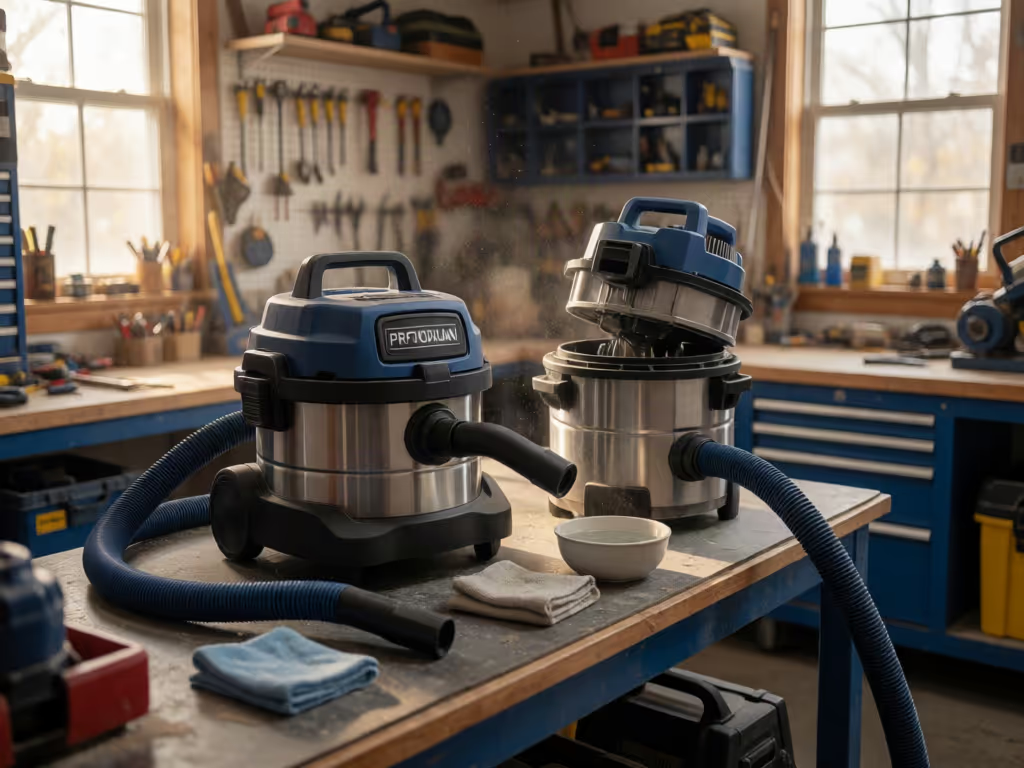
To make a wet/dry shop vac smell better, remove the odor source: unplug it, empty it as the manual directs, clean only manual-approved components, drain excess hose liquid when your manual directs, and let every cleaned part dry fully before reassembly or storage.
- What to do first: Follow your model’s post-use instructions. For the Shark MessMaster VS100, the owner’s guide calls for cleaning the hose, lid, and dust cup after each use and allowing all parts to air-dry completely before storage.
- What the smell may mean: A smell alone cannot reliably identify mold, a blockage, overheating, or an electrical fault.
- When to stop: Do not add dryer sheets, scent beads, air freshener, oils, or baking soda without model-specific approval.
Important: Cleaning instructions are model-specific. Do not transfer vinegar, soap, filter-washing, or other procedures from one vacuum to another without checking its manual.
Shop vac odor control starts by removing what is causing the smell, not by covering it up. If you want to make your shop vac smell better, the reliable path is to empty the machine as directed, clean only the parts your model allows you to clean, and dry every cleaned piece completely before the next job or storage. That matters most after water pickup, sticky debris, and a rushed wet-to-dry vacuum changeover.
A bad-smelling wet dry shop vac is more than annoying in a customer's kitchen, classroom, or finished remodel. It makes a simple cleanup look sloppy, and it can turn the next dry pickup into a clumped, clogged mess. The good news: the fix is usually a short teardown and routine shop vac maintenance done before residue and moisture get a long stay in the tank, hose, or filter.
The Problem: Odor Usually Means Something Was Left Behind
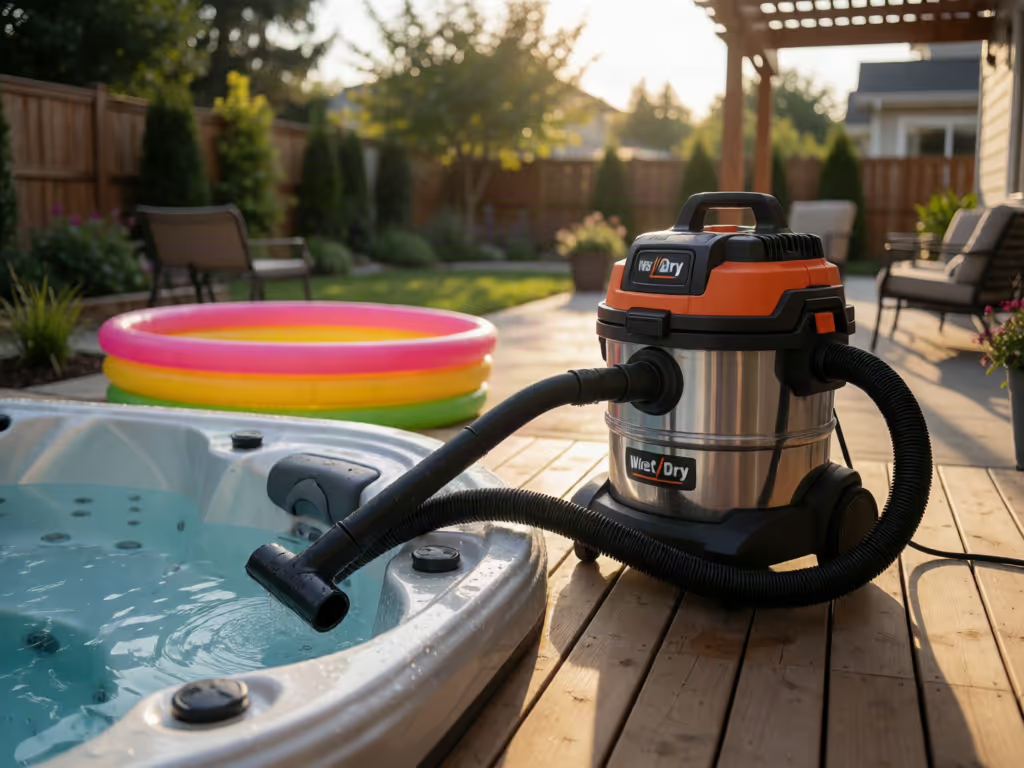
After wet work, follow whatever cleanup steps your manual specifies. Depending on the model, those instructions may cover the tank or dust cup, hose, lid, accessories, or filter. The 45.6 L wet/dry-vac manual, for example, directs users to raise the hose to drain excess liquid into the tank before switching off. The Shark MessMaster VS100 guide directs users to let all parts air-dry completely before storage.
Some manuals also prescribe extra accessory cleaning after particular messes. The 45.6 L wet/dry-vac manual calls for washing wet-pickup accessories periodically, especially after wet and sticky kitchen messes, with a warm soap-and-water solution.
Moisture is the key condition to control. Mold can begin growing when spores land on wet surfaces, and drying water-damaged items within 24 to 48 hours can, in many cases, prevent growth. That is not a promise that every vacuum odor is mold, nor is odor a reliable way to diagnose contamination, blockage, or a machine fault. It is a strong reason to clean and dry the collection path promptly.
The common workflow failure is familiar: finish extracting water, roll the vac into the van or shop, and plan to deal with it later. Then the next morning, the hose smells stale and the filter is damp. For the wet/dry vacuum covered by the 45.6 L manual, using a wet filter for dust can clog it quickly.
A vac that stays upright keeps your reputation upright.
The same goes for teardown. A stable, quick routine prevents a small wet cleanup from becoming a callback-worthy odor.
Why Covering the Smell Is a Bad Trade
It is tempting to toss a fragrance product into the tank or near the filter. The available guidance does not identify a deodorizer that is safe for all shop-vac tanks, hoses, filters, and airflow paths. That includes common suggestions such as dryer sheets, scent beads, air fresheners, essential oils, coffee grounds, or baking soda.
The available guidance does not establish the safety or effectiveness of those products inside a wet/dry shop vac. They also introduce something else into a machine whose filter and component materials may have specific care instructions.
The practical goal is simpler: remove residue, drain trapped liquid where directed, and dry every cleaned component completely. Set it up right, then forget it.
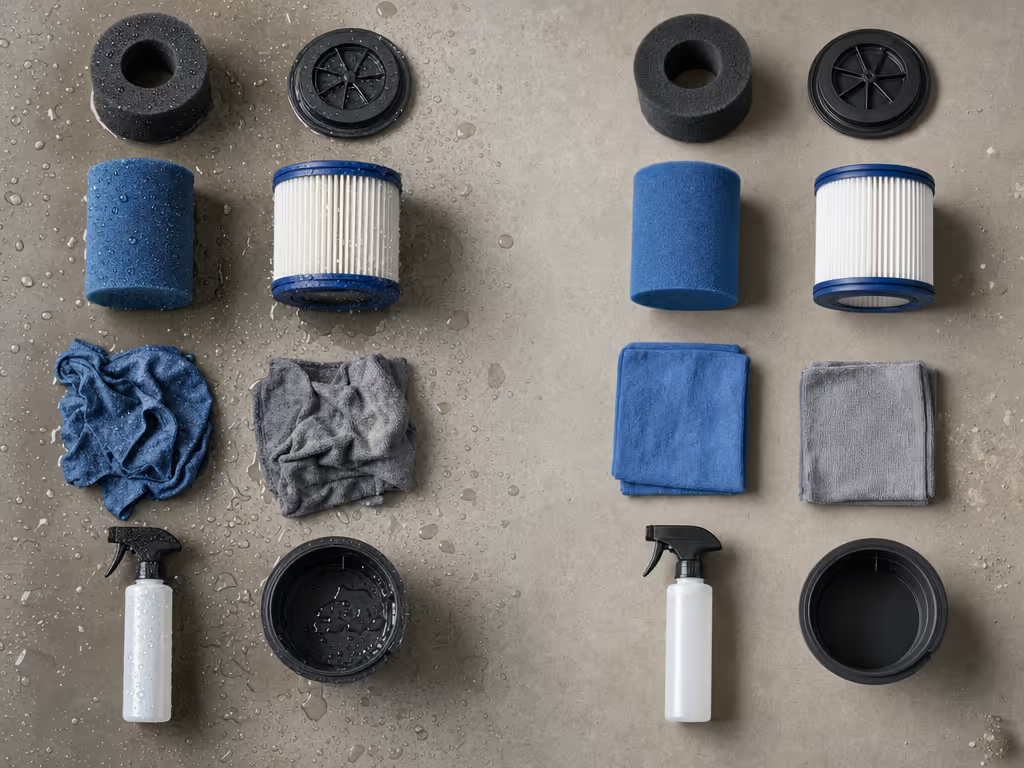
The Fix: A Source-Removal Routine That Fits Real Job Sites
Before you open the vacuum, unplug it and review these wet/dry vacuum safety basics. Then work from the tank outward so you do not clean one part while leaving the odor source in the next one.
1. Empty the collection container as your model directs
Follow your manual’s emptying instructions. For the Shark MessMaster VS100 specifically, the owner’s guide says to empty the dust cup, clean the unit, and allow all parts to air-dry completely before storage.
For some wet/dry machines, the manual directs the user to raise the hose after wet pickup so excess liquid drains back into the tank before the vacuum is switched off. Check your own manual before adopting that step, but the purpose is worth remembering: get standing liquid out of the hose instead of carrying it to the next site.
2. Clean the collection components only as your manual permits
Remove the hose, lid, tank, and wet-pickup accessories as your model directs. Wash compatible accessories and hard, nonporous surfaces according to the manual, then remove visible residue. General mold-cleanup guidance for hard surfaces is detergent and water followed by complete drying (but component compatibility still comes first).
Do not assume that a cleaning method for one vacuum transfers to yours. For example, the Shark MessMaster VS100 owner's guide includes a specific lid deep-clean: a 1:1 water-and-white-vinegar mixture in the underside lid openings, at least 30 minutes of dwell time, a warm-water rinse, and complete air-drying. That is a model-specific procedure, not a universal vinegar recipe for every wet dry shop vac.
3. Treat the hose as part of the tank, not an afterthought
Treat the hose according to your model’s instructions. The Shark MessMaster VS100 guide calls for cleaning the hose, lid, and dust cup after each use. The 45.6 L wet/dry-vac manual tells users to raise the hose after wet pickup so excess liquid drains into the tank before switching off. After any manual-approved hose cleaning, follow the model’s drying directions before reassembly or storage. Check both ends, the couplers, and the pickup tool; those are easy places to miss residue.
If your hose or accessory has cracks, deterioration, or material you cannot fully clean, do not rely on fragrance to solve it. Porous or absorbent materials can be difficult or impossible to clean completely once mold occupies their crevices.
4. Reset the filter for the next task
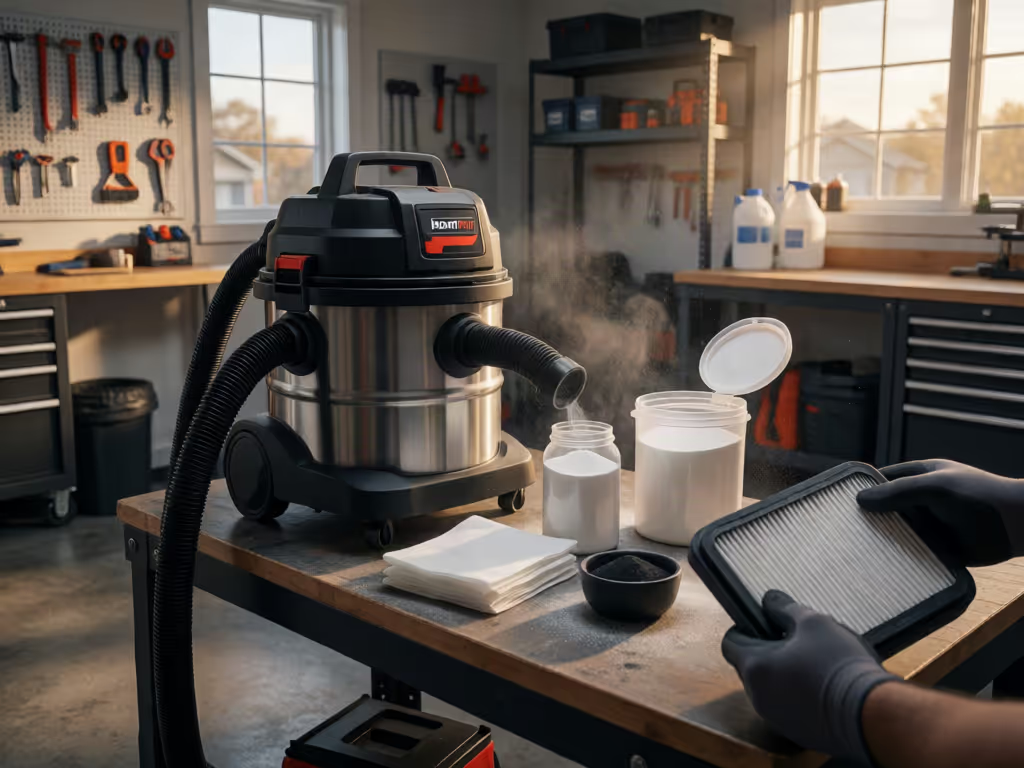
This is where wet-to-dry vacuum changeovers either stay clean or go sideways. After wet pickup, follow your manual’s filter-care instructions before dry-material pickup. The 45.6 L wet/dry-vac manual says a filter used for wet pickup must be cleaned and dried before dry pickup, and that a dry filter is necessary for dry materials.
Do not wash, brush, blow out, or treat a filter based on generic internet advice. Follow the model manual. As one example, the MessMaster VS100 guide allows its filters to be rinsed with cold water only, no soap, and requires at least 24 hours of air-drying before reinstalling. A separate wet/dry-vac manual likewise calls for complete filter drying, approximately 24 hours, before reinstallation. If you are unsure which filter type best fits your cleanup, compare foam, paper, cartridge, and HEPA shop vac filters before changing your setup.
If an approved cleaning leaves the filter persistently smelly, or the filter is torn, holed, or visibly deteriorating, replace it as your manual directs. A clean-looking filter is not a reason to reinstall one that still carries odor or is damaged.
5. Dry each cleaned part as directed
This is the mold prevention step people skip when the job is running late. Follow your manual’s drying instructions for every component you cleaned, and complete that drying before reassembly or storage.
For the MessMaster VS100 specifically, the owner's guide calls for emptying the dust cup, cleaning the unit, and allowing all parts to air-dry completely before storage. That is a good model of the outcome to seek, while your own manual determines the exact parts and procedure.
A 90-Second Pre-Flight for the Next Job
Before loading the vacuum back into service, use your model’s instructions to check the parts you emptied, cleaned, or drained:
- Collection container: Empty if your manual calls for it, with no residue left from the previous job.
- Lid and seals: Any cleaned parts are dry and seated correctly.
- Hose and tools: Complete any draining, cleaning, or drying your model requires.
- Filter: Follow your manual’s requirements; the 45.6 L wet/dry-vac manual requires a dry filter for dry-material pickup.
- Storage state: For the Shark MessMaster VS100, allow all parts to air-dry completely before storage.
This is basic vacuum cleaner cleaning, but it saves time twice: you avoid odor on the next job and, for the wet/dry vacuum covered by the 45.6 L manual, avoid using a wet filter for dry dust, which can clog it quickly. Keep the loadout compact, hose length reasonable, and tools secured; nobody needs a tall vac catching a cord and spilling dirty contents beside finished cabinets.
What Not to Put in a Shop Vac
Avoid improvising chemicals or fragrance items inside the tank, hose, or filter path. The available guidance does not establish that they improve shop vac odor control without affecting materials or filtration.
Be especially careful with bleach and disinfectants:
- Never mix bleach or any disinfectant with another cleaner or disinfectant; dangerous vapors can result.
- Use ventilation if bleach is used indoors on a compatible external surface.
- Do not treat disinfecting as the default. In most ordinary situations, soap and water cleaning removes most germs from surfaces.
- Follow the vac manual's prohibited-material list. For instance, the Shark MessMaster VS100 specifically warns against picking up chlorine bleach, ammonia, or drain cleaner.
If you are dealing with a contamination scenario rather than routine dirty-water pickup, pause and follow the task-specific cleanup requirements and your equipment instructions rather than trying to deodorize the machine midstream. When contaminated filters or debris must be discarded, follow this safe vacuum filter disposal guidance rather than placing them in ordinary waste.
FAQ: Getting a Shop Vac to Stop Stinking
What is a good vacuum odor eliminator?
For most wet/dry vacuum odors, the better answer is not an additive. Empty the vacuum as directed, clean compatible parts, maintain the filter exactly as instructed, and air-dry every cleaned component completely. The Shark MessMaster VS100 owner's guide documents a vinegar-based deep-clean routine for its lid; it is not a universal deodorizer recommendation.
What neutralizes a musty odor?
Moisture removal is the practical priority. Clean compatible hard surfaces, remove residue, and dry each cleaned vacuum component completely. The available guidance does not identify a universal substance that neutralizes musty odor safely across all shop vac models.
How do I make my vacuum stop stinking after wet pickup?
Follow your model’s instructions for emptying, cleaning, and drying. The Shark MessMaster VS100 guide calls for cleaning the hose, lid, and dust cup after each use and allowing all parts to air-dry completely before storage. For the wet/dry vacuum covered by the 45.6 L manual, raise the hose after wet pickup to drain excess liquid into the tank before switching off, and do not start dry pickup until a filter used for wet pickup has been cleaned and dried.
Can I put something in my vacuum to make it smell better?
Only use a cleaning product or procedure that your specific manual authorizes. The available guidance does not establish generic scent products or household odor absorbers as safe or effective inside wet/dry shop vacs.
Your Next Step: Do the Teardown Before You Park It
After your next wet job, follow the post-use procedure in your model’s manual. Unplug the vac, complete the specified emptying and cleaning steps, drain the hose when your manual directs, and dry each cleaned component as instructed before reassembly or storage. Then follow your manual’s filter instructions before the next dust job; the 45.6 L wet/dry-vac manual requires a dry filter for dry-material pickup.
That small reset protects suction, reduces smells, and keeps the machine from becoming the one thing clients remember. Smooth workflow beats a spec sheet when the alternative is a damp, stinking vac in the middle of a clean space.
Related Articles