Wet Dry Vacuum Pool Cleanup Guide for Spas and Kiddie Pools
By Hana Kobayashi • 10th Sep
What to do first
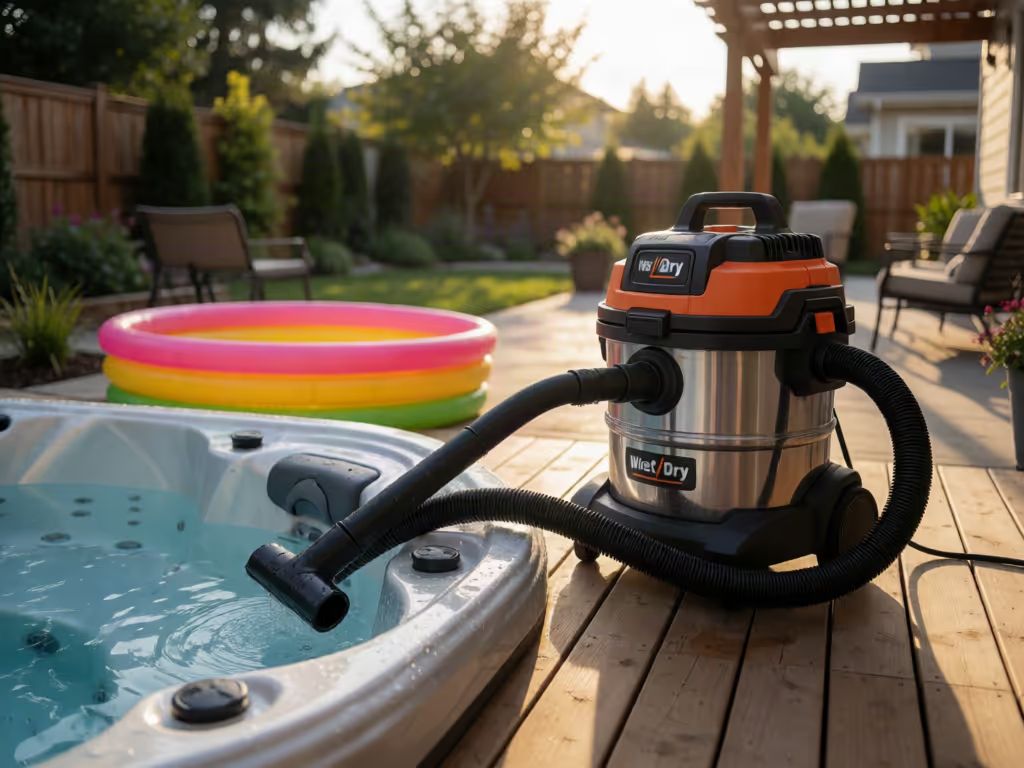
Use a wet/dry vacuum for contained residual water after draining a swim spa—not as a universal replacement for a filled pool’s filtration-based vacuum system.
- First action: Drain the swim spa, clear loose debris, and place the vacuum body, cord, and plug on dry ground away from water.
- Likely explanation: Wet-vac filter, bag, and float arrangements differ by model. In the documented 45.6L model, the float stops airflow when the tank reaches a predetermined liquid level; shut off, unplug, and empty that model before continuing.
- Stop or escalate when: Do not improvise attachments or continue against a raised float. A published pool-care guide describes a filled-pool vacuum setup connected to the skimmer through a vacuum plate.
Important: For small inflatable or plastic kiddie pools, CDC guidance emphasizes daily emptying, debris removal, rinsing, and air-drying; do not add chlorine or bromine to that water.
A wet dry vacuum can save a frustrating cleanup when you are dealing with the last puddles in a drained swim spa. But a shop vac for pool cleaning is not a universal replacement for a pool's normal vacuum-and-filtration setup. Put it on the wrong job, use the wrong wet-pickup configuration, or let the cord wander into the splash zone, and a five-minute finish turns into a stalled, messy job.
The reliable approach is simple: use the vac for contained residual water after draining a swim spa, follow that specific machine's wet-pickup instructions, and treat routine cleaning of a filled pool as a separate task. Prep beats cleanup.
The problem: water remains after the "drain" is done
After draining, residual water can remain in a swim spa. That is where a wet/dry vac can be useful, provided the unit is approved and configured for wet pickup by its own manufacturer.
For a drained swim spa, published spa-maintenance guidance lists a shop vac or towels as options for removing the remaining water. It also advises clearing loose debris before draining, then wiping the drained interior with a non-abrasive cloth to remove residue.
That is a narrow, practical use case:
- Residual-water pickup from a drained swim spa
- Loose, non-hazardous debris that you can remove before wiping and drying
It is not the same thing as lowering a vacuum hose into a full pool and calling it maintenance. For routine swimming-pool cleanup, a pool-care guide describes a vacuum head, hose, and pole connected to the skimmer through a vacuum plate. The guide places vacuuming within a pool-care routine that includes circulation, cleaning, and chemistry.
Why improvised vacuuming pool sludge creates bigger problems
The temptation is understandable: you see sediment or murky water, you have a wet vac, and you want the mess gone now. But "vacuuming pool sludge" without separating the job into drain, pickup, wipe-down, and refill steps can create avoidable failure points.
The filter setup is not universal
Wet-pickup instructions vary by vacuum. One manufacturer's document permits a clean cartridge filter for small liquid pickups and recommends removing it for larger liquid quantities. Another model's instructions require removal of its paper filter bag for wet pickup. Those directions are not interchangeable.
Do not guess from another vac's setup. Check your exact manual before starting, especially for:
- Whether the cartridge filter stays installed or comes off
- Whether a paper bag must be removed
- The required filter cage and float arrangement
- How the unit indicates a full tank
Never remove or defeat the float mechanism. In the documented 45.6L wet/dry-vac instructions, the float stops airflow at a predetermined liquid level and helps prevent water from entering the impeller and damaging the motor. Those instructions say to turn the vacuum off, unplug it, and empty the tank when airflow stops because the float has risen. Do not run that model's motor with the float raised.
Electricity and water do not forgive a rushed setup
Wet dry vac pool safety starts before the hose touches a puddle. Follow the electrical directions for your model. The Mi-T-M wet/dry-vac instructions require a properly grounded outlet and say to keep electrical connections dry and off the ground. They also say not to let electrical cords lie in water or where water can contact them.
A vac that stays upright keeps your reputation upright.
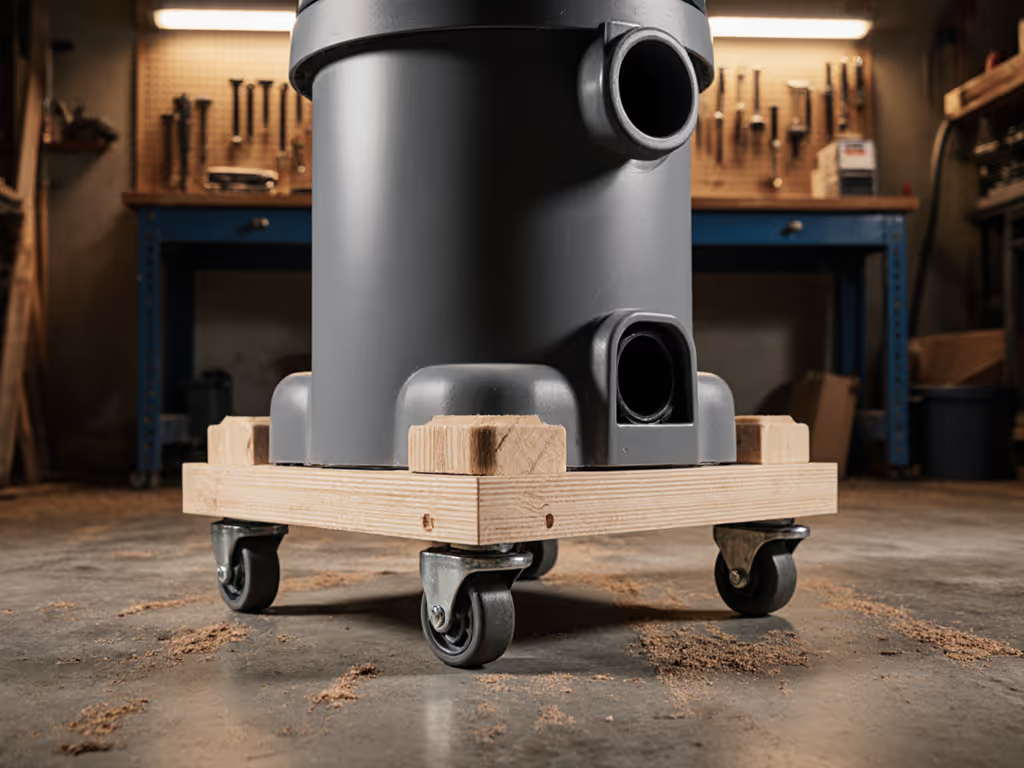
Set the vac on level, dry ground where the hose will not pull it sideways. Shorten the hose route when possible, keep it out of walk paths, and stop before moving the unit. I have seen a tall unit catch a cord during a client walk-through and turn a clean finish area into a dust problem. Stable placement and cord control are not fussy extras (they preserve the workflow).

The solution: use a clean, staged workflow
1. Decide whether the wet/dry vac is the right tool for this exact task
Use it only if all of these are true:
- The swim spa is drained, and you are handling remaining water.
- Your vacuum's manual permits wet pickup and tells you how to configure it.
- You can place the unit and all electrical connections on dry ground.
- You can pause to empty the tank as your model's instructions direct.
For a filled swimming-pool filtration setup, the published pool-care guide describes a vacuum head, hose, and pole connected to the skimmer through a vacuum plate. The available guidance does not establish a conversion procedure for turning a shop vac into a pool vacuum, and it does not establish attachment compatibility.
2. Run a 60-second pre-flight check
Before final swim-spa cleanup, do this in order:
- Clear visible debris from the water or shell first.
- Read the wet-pickup section of your exact vac manual.
- Configure or remove filters and bags exactly as that manual directs.
- Confirm the float and filter cage are installed as required; never bypass safety parts.
- Inspect the hose for splits and make sure it seats securely.
- Park the vac on stable, dry, level ground.
- Route the cord so it remains dry, off the ground where possible, and out of foot traffic.
That check saves more time than it costs. A tipped canister, soaked dry filter, or full tank is not a minor interruption when you are working around finished decking, cabinets, or an occupied facility.
3. Pick up only the remaining water, then stop promptly
Work the hose slowly along the remaining water. Keep the vacuum body outside the wet area. Watch for the sound and suction change that signals the tank is full on your model.
For the documented 45.6L wet/dry vacuum, when the float cuts airflow:
- Switch the unit off.
- Unplug it.
- Empty the tank into a proper waste container.
Do not run that model continuously after the float has risen. The protection only works when you respect the stop point.
4. Finish the surface instead of chasing every damp streak with suction
After draining a swim spa and removing residual water, wipe the interior with a non-abrasive cloth to remove remaining residue. Then follow the spa maker's refill and water-care instructions. Published swim-spa guidance recommends refilling with fresh water, reinstalling clean or new filters, and balancing the water, but it does not provide universal chemical targets.
This is the clean handoff: remove residual water, wipe the shell, restore the system according to the manufacturer. Do not treat the wet vac as a cure for water-care issues.
Kiddie pools: draining and drying matter more than salvaging the water
For small inflatable or plastic kiddie pools, the CDC recommends emptying the water at least daily. After emptying, remove debris, rinse off dirt with fresh water, and let the pool air dry.
For these small pools, do not add germ-killing disinfectants such as chlorine or bromine to the water. Larger inflatable or plastic pools need a filter and disinfection; follow the manufacturer's filtering and disinfecting directions for that different category.
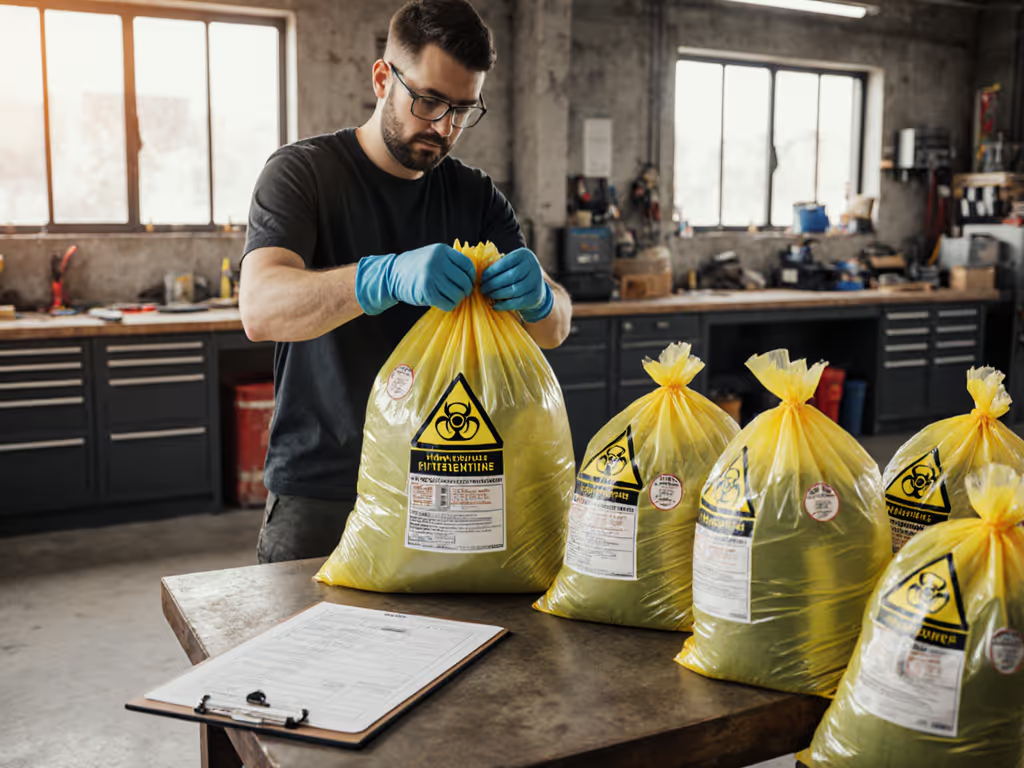
If poop or vomit gets into a small kiddie pool, drain all the water. Clean and disinfect the surfaces as directed by public-health guidance before the pool goes back into use.
Teardown: prevent the next job from smelling like the last one
A wet pickup is not complete when the floor looks dry. After the tank is emptied:
- Unplug the vacuum before handling its tank, filter area, or hose.
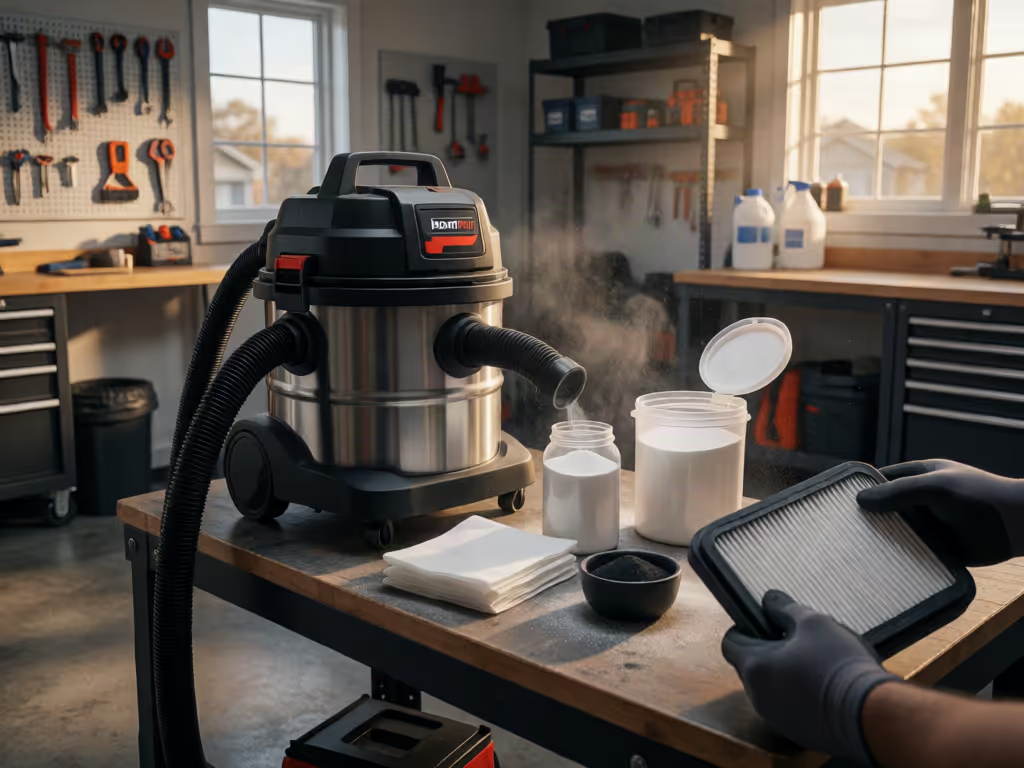
- Follow the manual's instructions for cleaning and reinstalling the wet-pickup components.
- If a filter became wet, follow your manual and this wet/dry filter maintenance guide before returning to dry work; one manufacturer specifically directs replacement before resuming dry pickup.
- Let the cleaned pool or spa surface air dry where applicable.
- Store the vacuum indoors if your model's instructions require it, and do not expose models that warn against rain.
That final reset avoids odors, cross-contamination, and a surprise loss of suction on the next call.
Quick FAQ
Can you use a shop vac to clean a pool?
A shop vac can be appropriate for wet pickup when its own instructions permit it, and spa guidance specifically lists it for removing residual water after a swim spa has been drained. That does not establish it as the right tool for routine cleaning of a filled pool or spa.
What is a wet dry vacuum for?
It is designed for dry pickup and, on models that support it, liquid pickup using the manufacturer's required wet configuration. In the documented 45.6L model, the instructions say to turn off, unplug, and empty the tank when its float stops airflow.
Is there a pool attachment for a shop vac?
The available guidance does not establish a compatible attachment for a shop-vac inlet. Standard pool vacuum equipment is described as a vacuum head, hose, pole, and skimmer connection, so do not treat that description as a shop-vac conversion guide.
Your next step
Before the next spa drain or kiddie-pool reset, put a copy of your vac's wet-pickup instructions with the hose and tank accessories. Then make the call at the work area: drained swim-spa residual water - use the vac correctly; filled-pool maintenance - consult the pool-care setup appropriate to that pool. For a small kiddie pool, follow the drain-and-dry routine. That small decision keeps the cleanup quiet, controlled, and out of the client's memory.
Related Articles