Shop Vac Odor Control: Make Your Wet Dry Vacuum Odor Free
By Aisha El-Sayed • 6th Sep
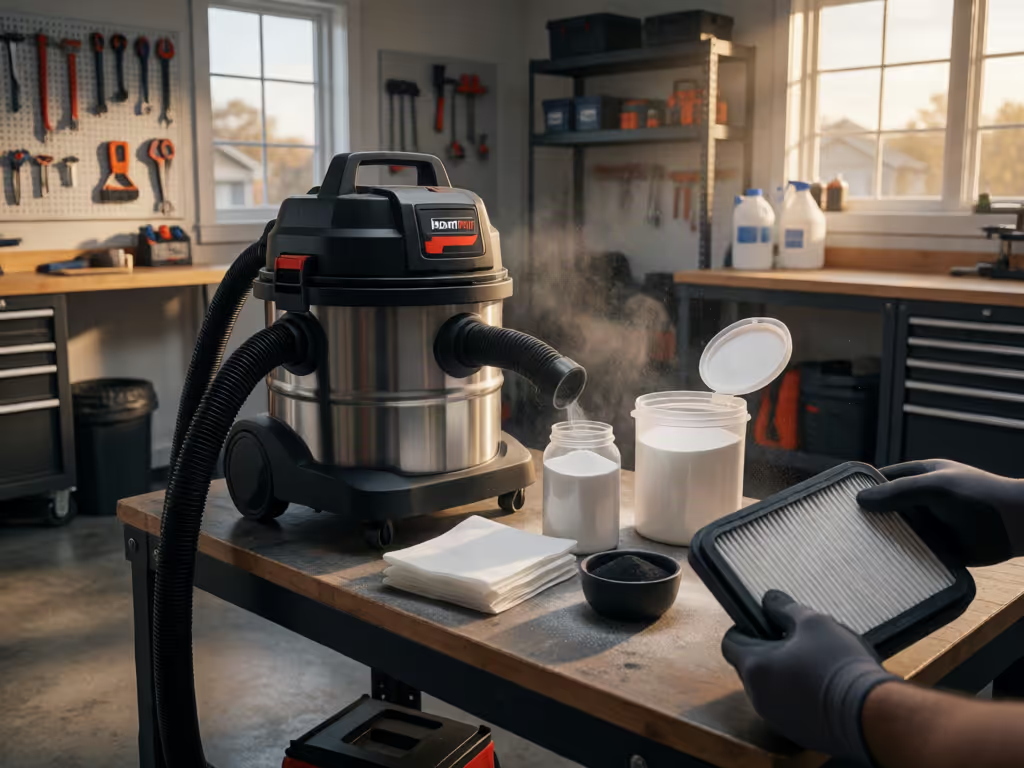
What to do first
For a shop-vac odor concern, unplug the machine, drain and empty it after wet pickup, clean approved components, follow the model-specific filter instructions, and let everything dry completely.
- First action: Start with the tank and wet-pickup accessories, using only cleaning methods your manual permits.
- Likely explanation: The available guidance supports draining, cleaning, and drying after wet pickup, but it does not identify a specific cause of a shop-vac smell. A dirty filter or hose clog may also affect suction, but neither is proven to be the odor’s cause.
- Stop or escalate when: Do not add air freshener, essential oils, baking soda, bleach, vinegar, or other odor products without model-specific compatibility guidance.
Important: Filter arrangements and drying requirements vary by model; consult your vacuum manual before rinsing, soaking, or reinstalling any component.
When a shop vac has an odor concern, focus on the maintenance steps your model permits rather than pouring fragrance into the machine. Start by reviewing the tank, wet-pickup accessories, filter condition, and storage routine.
A wet dry shop vac that has handled spills, dirty water, or damp debris can be unpleasant to open on the next job. That is frustrating when you need dependable cleanup, not a smell following you into a clients' home, a vehicle, or an occupied facility. The good news: a disciplined clean-and-dry reset is practical. The limit: no maintenance routine can honestly promise an odor-free result in every case.
Containment first; cleanup is the insurance your lungs deserve.
FAQ: Why does a wet/dry vacuum start smelling bad?
Wet use changes the maintenance requirement. Moisture and oxygen create conditions that support mold growth, especially in warm, damp environments. That does not prove that your vacuum contains mold.
The available guidance does not identify a specific cause of a shop-vac odor. It does support draining, cleaning, and drying the applicable components after wet pickup. A separate operational issue is reduced suction: Shop-Vac identifies dirty filters and hose clogs as common causes of suction loss. Those checks belong in the same pre-flight routine, even though they are not proof of the odor's source.
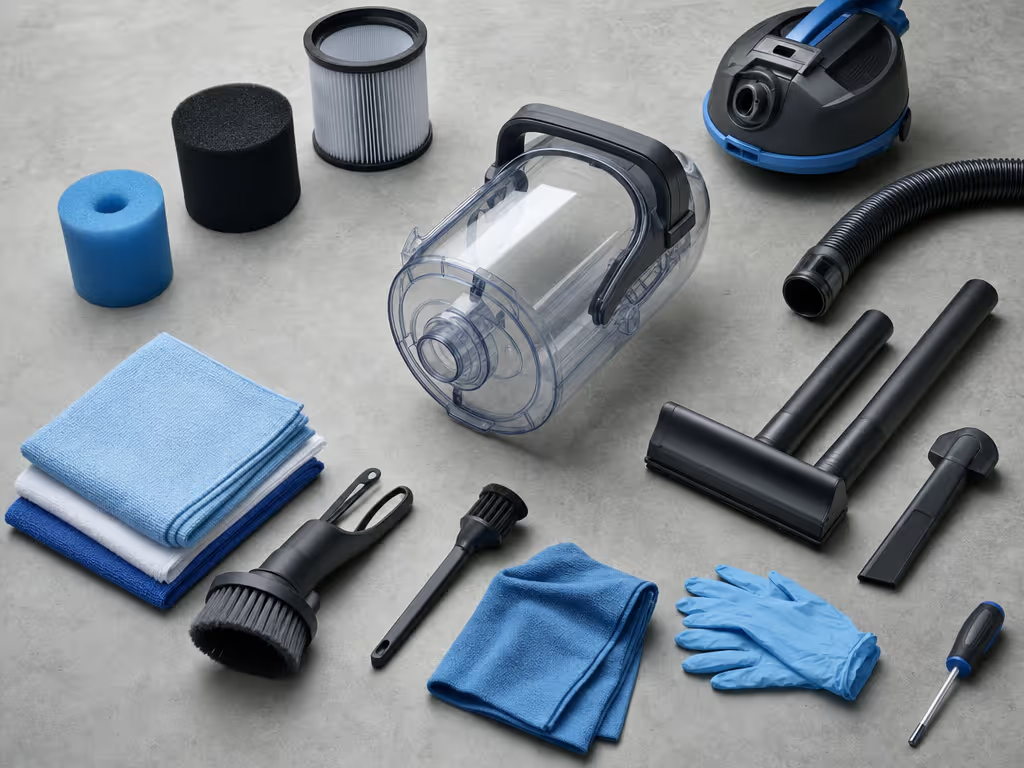
The practical risk categories
Use the mess you picked up to choose the response:
- Ordinary wet pickup: Drain, empty, clean applicable components, and dry before storage.
- Sticky or dirty-water pickup: Give the tank and removable wet-pickup accessories extra attention. The 45.6 L wet/dry vacuum manual calls for periodic washing of wet-pickup accessories, particularly after wet, sticky kitchen accidents.
- Dry dust after a wet job: Do not treat the vacuum as ready just because the tank is empty. Confirm the filter setup and dryness required by your model before dry pickup.
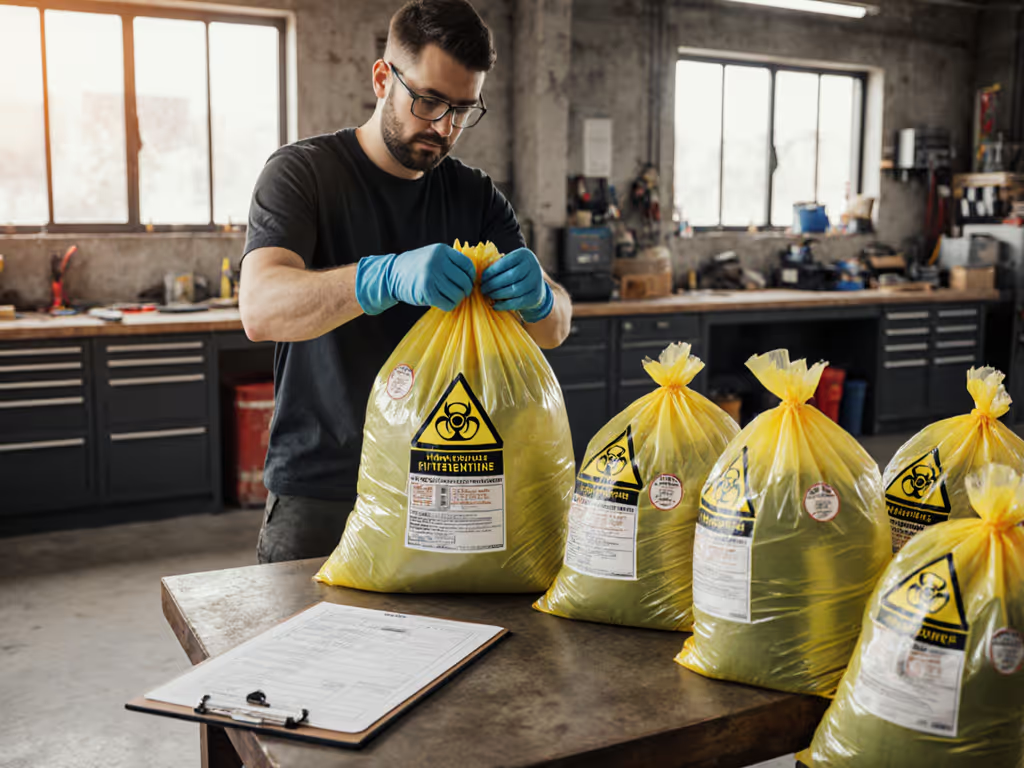
- Unknown or potentially contaminated material: Stop guessing. Follow your company procedure and the vacuum manufacturer's instructions for the material and machine involved. This is not a substitute for a site-specific decontamination plan.
Follow the applicable cleanup and drying steps before returning the vacuum to service.
FAQ: How do I deodorize my shop vacuum safely?
Think of this as a reset procedure, not a scent treatment. Your own user manual is the controlling document because filter arrangements and approved cleaning methods vary by model.
The after-wet-pickup reset checklist
-
Power down and unplug. Disconnect power before emptying the tank or servicing the filter, following these shop vacuum safety practices. This is a pass/fail item: pass means the plug is out before hands enter the maintenance area; fail means any service starts while the machine remains connected.
-
Drain the hose into the tank before shutoff, if your manual directs it. One wet/dry vacuum manual instructs users to raise the hose after wet pickup so excess liquid drains back into the tank before the vacuum is switched off. Check whether your model gives the same instruction.
-
Empty the tank promptly. Do not leave collected liquid sitting until the next shift or the next weekend. Emptying is the first step; it is not the whole cleaning task.
-
Clean the tank periodically using the method your manual permits. One 45.6 L wet/dry vacuum manual calls for periodic cleaning of the tank interior, but its collected instructions do not provide the full cleaning method. Follow your model's instructions and keep liquid and cleaners away from electrical components and the motor.
-
Wash only the removable wet-pickup accessories your manual identifies as washable. If your manual allows, use warm soap and water for wet-pickup accessories. Do not extend that instruction to every hose, filter, or internal component. A hose that looks removable is not automatically approved for soaking or rinsing.
-
Service the filter by model, not by habit. Check for rips or tears; replace a damaged filter. Some cartridge-filter procedures permit rinsing from the inside of the filter, then require complete drying before reinstallation. That is not universal filter advice, so follow your manual.
-
Dry before reassembly or storage. Complete drying is required in some cartridge-filter procedures. Some cartridge-filter instructions estimate about 24 hours after rinsing, but drying time is not universal. Humidity, airflow, and the part itself all matter. Reinstall only when your model's instructions say it is ready and the component is fully dry.
Your pass/fail closeout
Before you store the wet/dry vacuum, use this quick label:
- PASS: Tank emptied; approved removable accessories cleaned; filter inspected; every cleaned component fully dry; correct filter arrangement confirmed for the next task.
- HOLD FOR DRYING: Any component is still damp, the filter is not ready for dry pickup, or you cannot verify the correct configuration.
- REPLACE / ESCALATE: Filter has a rip or tear, the manual is unavailable, or the vacuum has picked up material outside your normal cleanup procedure.
That is better operations than masking an odor and hoping it is gone by the time the client walks in.
FAQ: Which filter should I use after wet pickup?
There is no one-size-fits-all answer, so review this shop vacuum filter comparison before choosing between foam, paper, cartridge, or HEPA options. Shop-Vac states that a foam sleeve is the best filter for wet pickup because it helps stop debris in the water from being drawn into the motor, while also noting that foam sleeves are not available for all models. Some wet/dry vacuums permit a cartridge filter for wet or dry use under stated conditions and require cleaning and drying it before dry pickup.
The requirement map is simple:
- Wet work: Use only the wet-pickup filter arrangement approved for your vacuum.
- Transitioning back to dry work: Clean and dry the applicable filter completely, then reinstall only as your manual directs.
- Damaged filter: Replace it.
- Unsure of the configuration: Pause and consult the manual or manufacturer support rather than improvising.
Moisture control is relevant to mold growth generally. For a cartridge-filter arrangement that permits wet pickup, clean and dry the filter before returning it to dry pickup, as the manual directs.
FAQ: Can I put air freshener, baking soda, or essential oils in the vacuum?
Do not assume that any deodorizer is compatible with your tank, filter, hose, plastics, motor, or electrical system. There is no universal, supported in-vac deodorizer to recommend here.
That includes treating essential oils, air freshener, powders, coffee grounds, baking soda, bleach, vinegar, or other odor products as automatic fixes. A pleasant smell is not evidence that the vacuum is clean, dry, or ready for the next use.
If you use any cleaner on an approved removable component, follow its label directions, ventilate the work area well, and never mix household cleaning products. In particular, ammonia-containing cleaners must not be mixed with chlorine or bleach products; that combination can release a highly irritating gas.
FAQ: Why does my vacuum still stink after I cleaned the filter?
A cleaned filter is only one checkpoint. Recheck the rest of the setup:
- Was the tank emptied and cleaned as your manual permits?
- Was excess liquid drained from the hose into the tank when appropriate?
- Were the approved wet-pickup accessories cleaned?
- Did all cleaned components dry completely before storage?
- Is the filter torn or damaged?
- Is there a clog in the hose affecting performance? If suction remains weak after these checks, use this shop vacuum troubleshooting guide before assuming odor is the only problem.
Do not keep adding fragrance while skipping these checks. Keep the manual accessible so its approved cleaning instructions are available when needed.
FAQ: What routine should I use after wet pickup?
Build the after-wet-pickup reset into the end of every wet job, not into the beginning of the next one. Assign one person to complete the reset, and place a "WET - EMPTY, CLEAN, DRY BEFORE STORAGE" label where the crew sees it.
For routine shop vacuum maintenance, inspect the tank and filter condition before the next shift. After wet work, empty promptly, clean approved removable parts, and leave enough time for complete drying. Before dry pickup, verify the correct filter configuration for that specific model.
That routine creates a consistent, model-specific maintenance closeout before the next job.
Further exploration: Make the next cleanup easier
Pull out your vacuum manual before the next wet pickup and create a one-page maintenance card for that exact model. Record the approved wet filter setup, which accessories may be washed, the filter-cleaning method, and the required drying step. Then keep it with the vacuum.
The goal is not perfume. It is a clean, dry, job-ready machine you can open without hesitation.
Related Articles