
Basics & How Shop Vacs Work
Foundational explainers that demystify wet/dry vacuums, key terms, and the science behind performance metrics.
Top Articles
Basics & How Shop Vacs Work
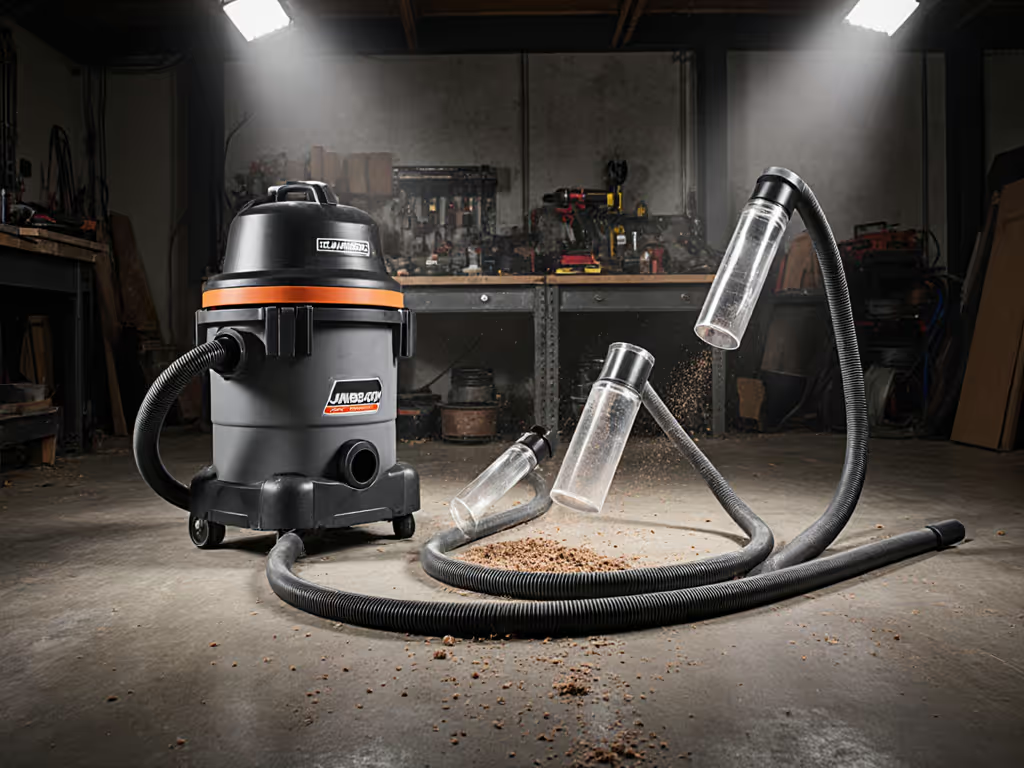
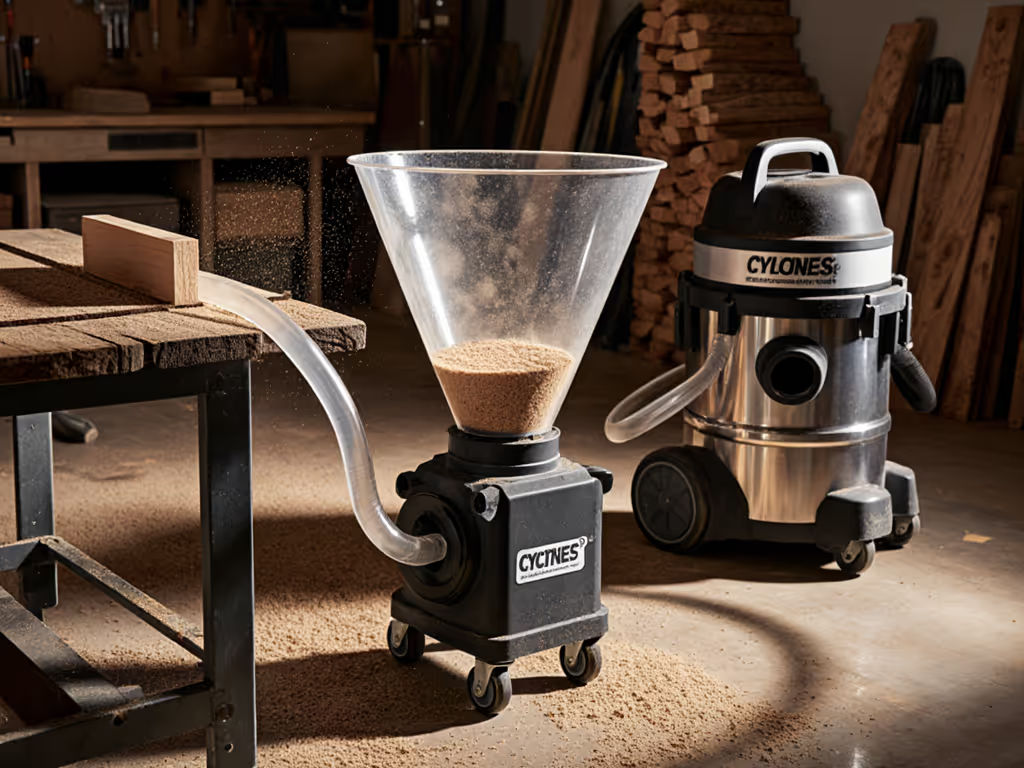
Cyclone Dust Separators: Maximizing Shop Vac Efficiency and Longevity
Map every connection - ports, adapters, and anti-static paths - before buying to build a cyclone setup that preserves suction and protects HEPA filters. Done right, it diverts 99.9% of debris >10μm and extends runtime from 8 to 47 minutes while cutting filter costs.
Basics & How Shop Vacs Work
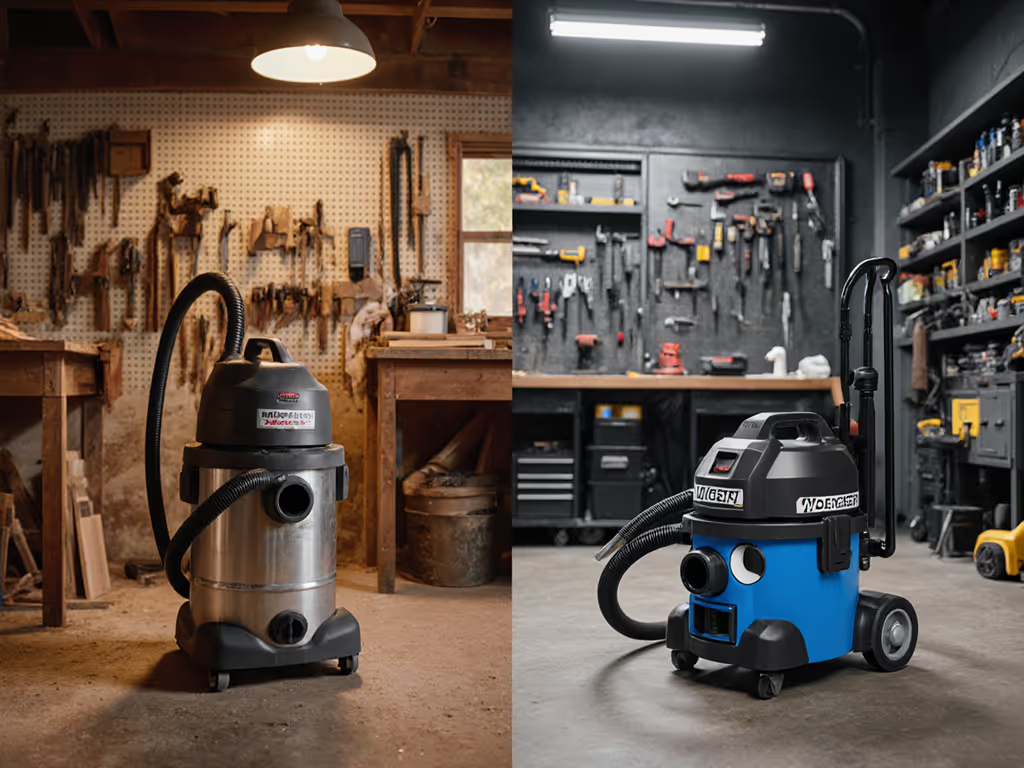
Shop Vac History: Workshop to Jobsite Evolution Explained
Learn how shop vacs evolved and how to optimize them: prioritize CFM vs. water lift, HEPA filtration, and stable ergonomics. Measure ports, map adapters, and standardize hoses to prevent leaks, cut cleanup time, and improve dust control.
Basics & How Shop Vacs Work
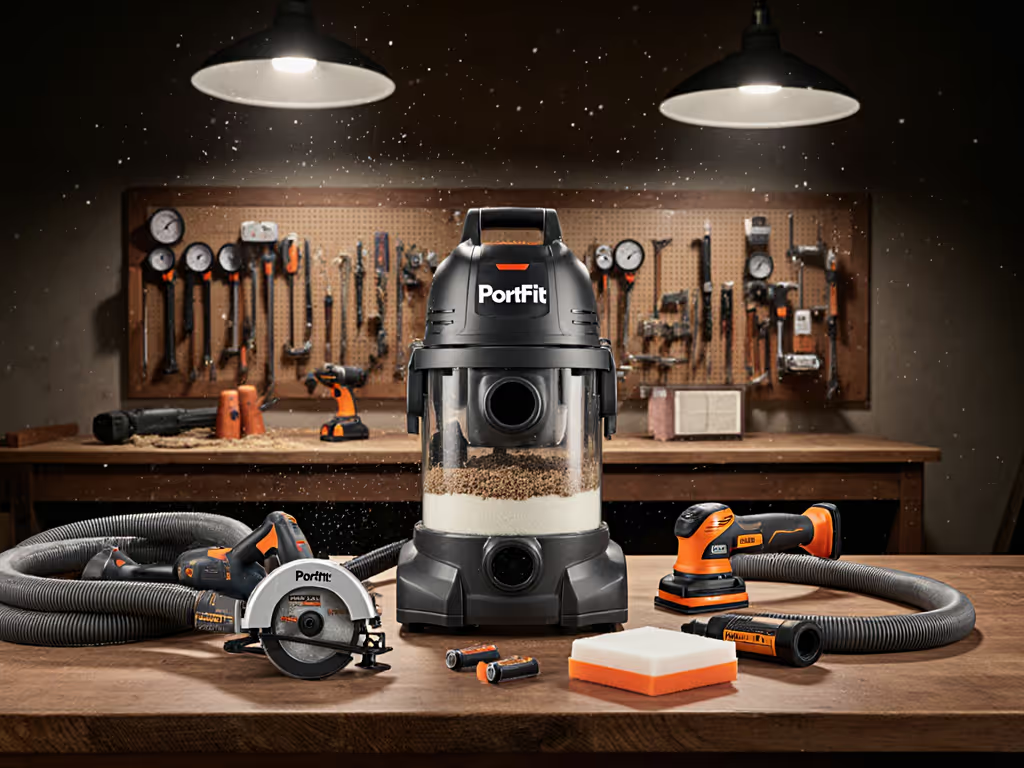
Wet Dry Vacuum Compatibility: Ports, Filters, Performance
Measure ports and build airtight, anti-static connections, then match filters to your dust so the vac fits your tools, preserves CFM at the tool, and meets OSHA requirements. Get clear rules on hose diameter/length, CFM vs water lift, and when to add a cyclone to keep suction steady and filters alive.
Basics & How Shop Vacs Work
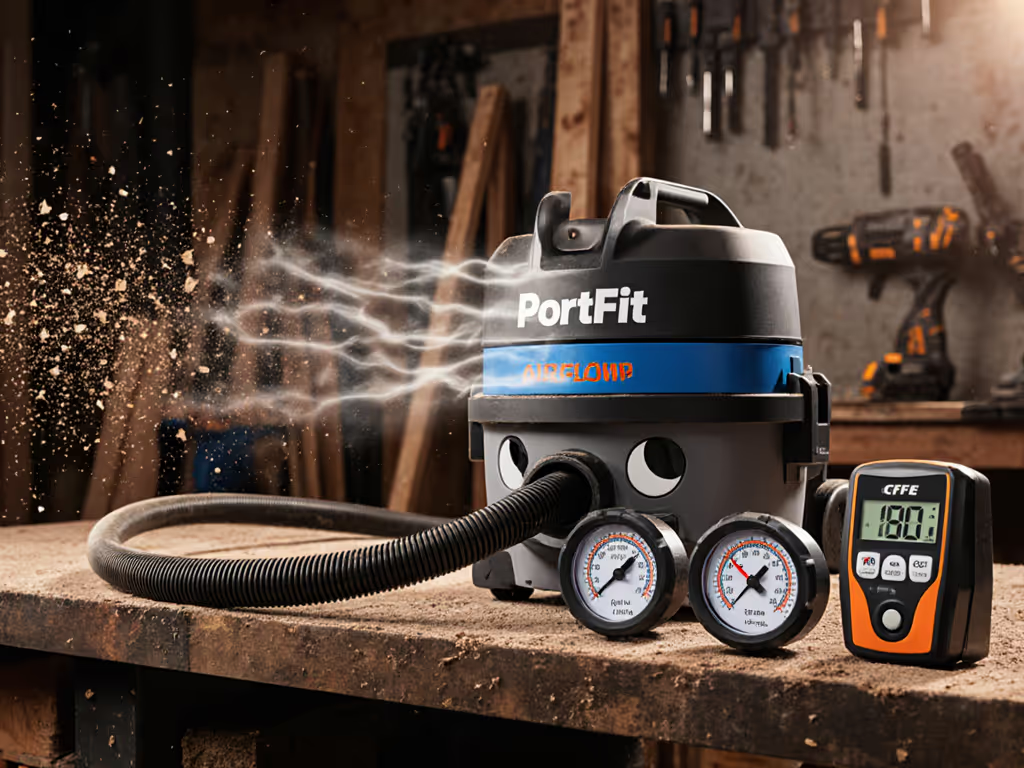
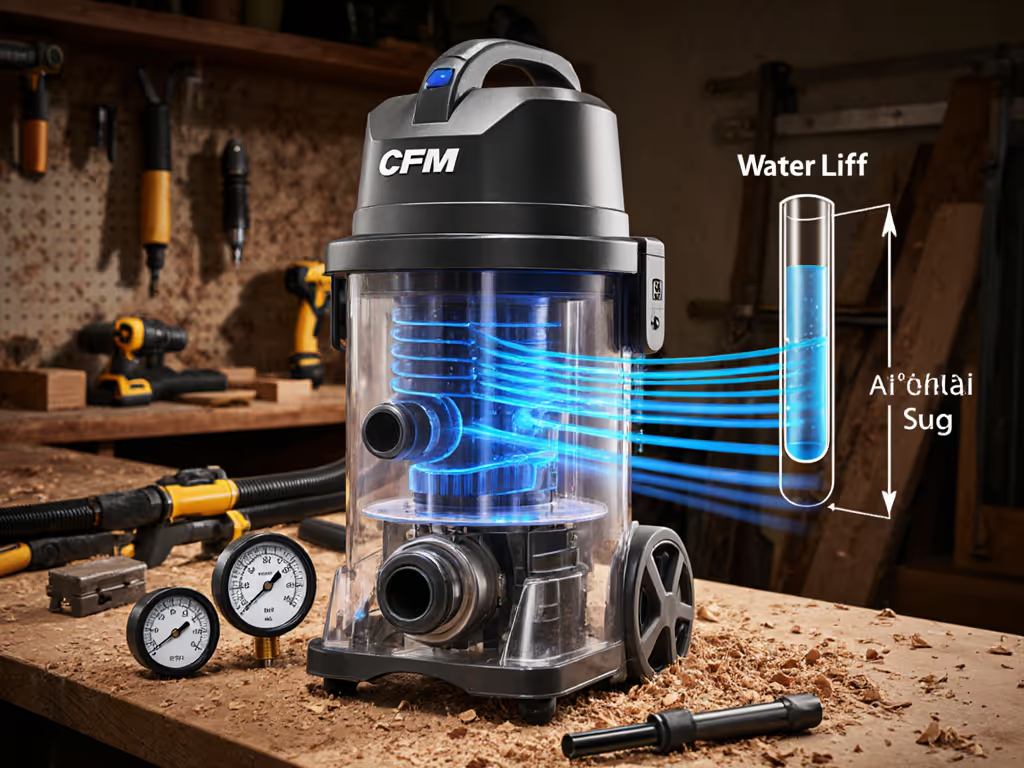
Decoding Shop Vac CFM: Why Airflow Beats Peak HP Claims
Prioritize airflow (CFM) - not “peak HP” - and match CFM and water lift to the task to move dust efficiently while cutting clogs, downtime, and callbacks. Get practical thresholds, setup tests, and filtration/tank tips to choose a vac with better uptime and ROI.
Explore Other Topics

Use, Safety & Maintenance
Practical guidance for safe operation, upkeep, sustainability, and setup tips to get the most from your shop vacuum.

Accessories & Filtration
Comparisons and guidance on attachments, filters, and other add-ons that expand capability and improve air quality.

Comparisons & Key Decision Factors
Head-to-head comparisons across core buying criteria like power source, tank size, noise, wet/dry types, and brand reliability.

Best Picks & Buyer’s Guides by Use Case
Curated recommendations and reviews tailored to specific needs, industries, features, and budgets.