Shop Vacuum Dust Collection System: Vac, Extractor or Central?
By Priya Rao • 29th Sep
What to do
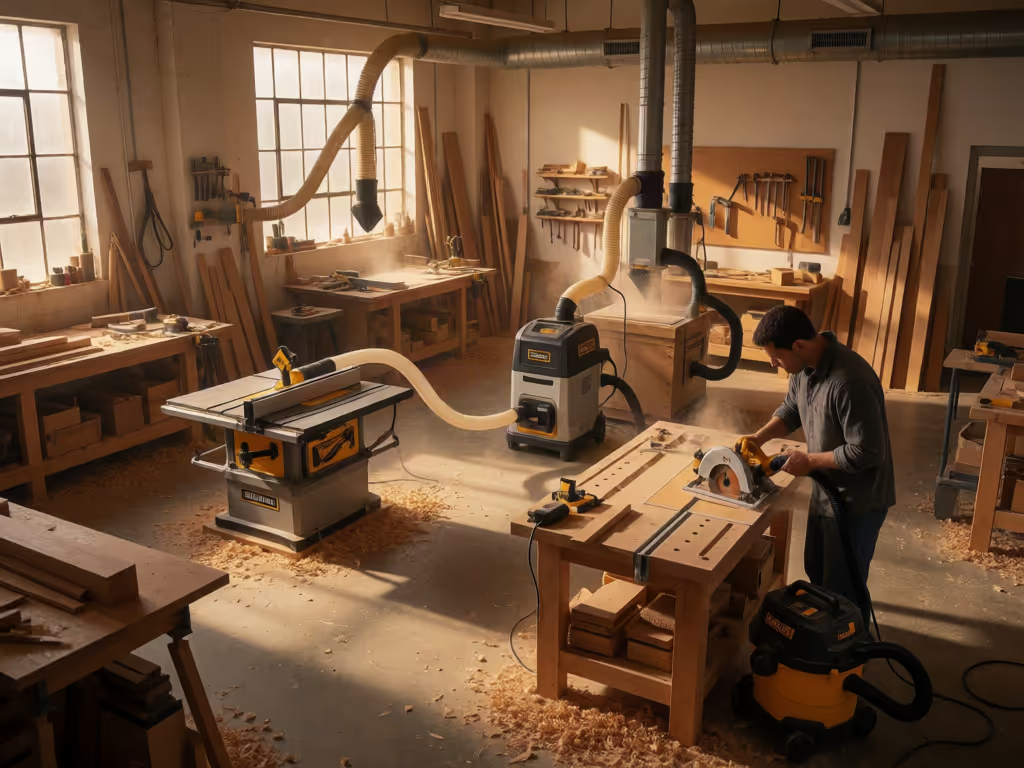
Match the system to where dust starts: use a suitable vacuum for coarse or wet cleanup, a tool-connected extractor for fine dust at hand tools, and a designed fixed local-exhaust system when multiple woodworking machines share extraction.
- Start with: Separate source capture, cleanup, and multi-machine extraction before choosing equipment.
- Then: List each tool’s operation, connection details, manufacturer-stated airflow requirement, and whether machines run together.
- Important prerequisite: For wood-dust cleanup, UK HSE guidance calls for a suitable industrial vacuum meeting at least Class M; do not assume an ordinary wet/dry vacuum meets that standard. Avoid sweeping or compressed air, and assess combustible-dust risks for mixed materials or spark-producing work.
Important: Evidence does not establish that one system is universally better, and it does not validate a generic DIY shop-vac conversion or product ranking.
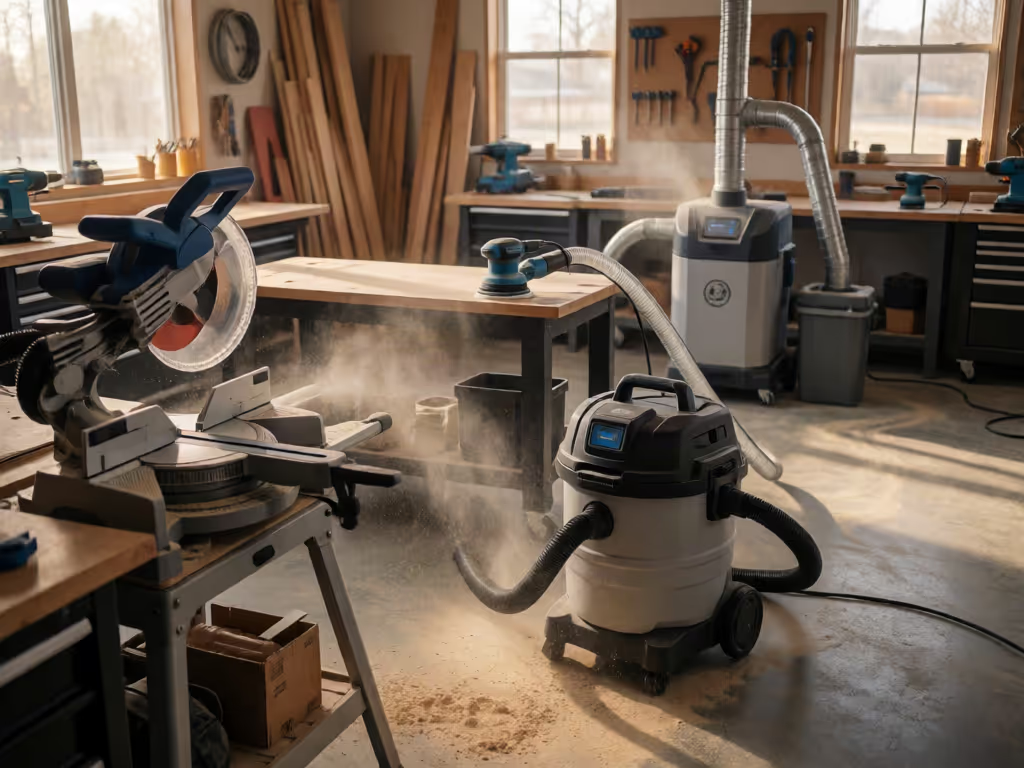
A shop vacuum dust collection setup can make a small shop or job site feel manageable (until the filter loads, dust escapes into the room, or a cleanup routine quietly consumes paid labor). If you are choosing a shop vacuum dust collection system, start with the job and the exposure point, not the sticker price or a motor headline. The right answer may be a general-purpose vacuum, a tool-connected extractor, or a fixed local-exhaust system serving several machines.
Wood dust is not merely a housekeeping problem. Fine settled particles are the particles most likely to damage lungs, and wood dust can cause serious health problems. The practical priority is to capture dust where it is made, before it travels through the work area.
The short answer: match the system to where dust starts
Here is the decision rule I use when planning equipment time and consumables:
- Choose a general-purpose shop vacuum when the main work is coarse debris, wet pickup, and ordinary cleanup, provided the vacuum and its filtration are suitable for the material involved.
- Choose a tool-connected dust extractor when the work creates fine dust at a hand tool and you need control at the source during sanding, grinding, or cutting.
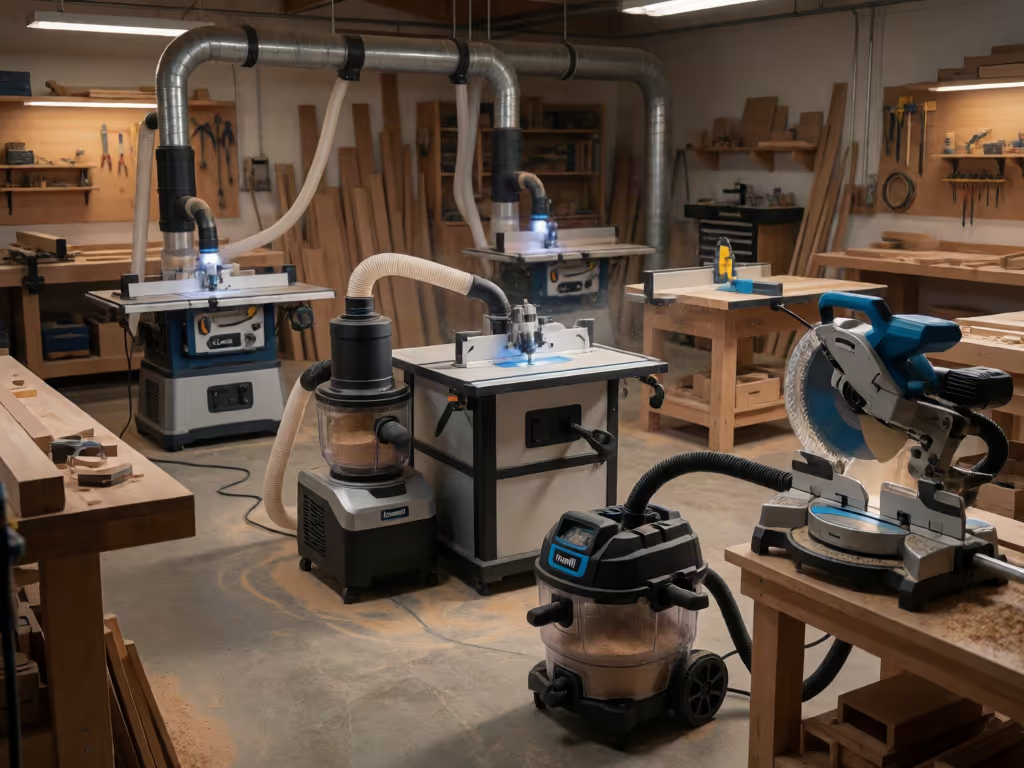
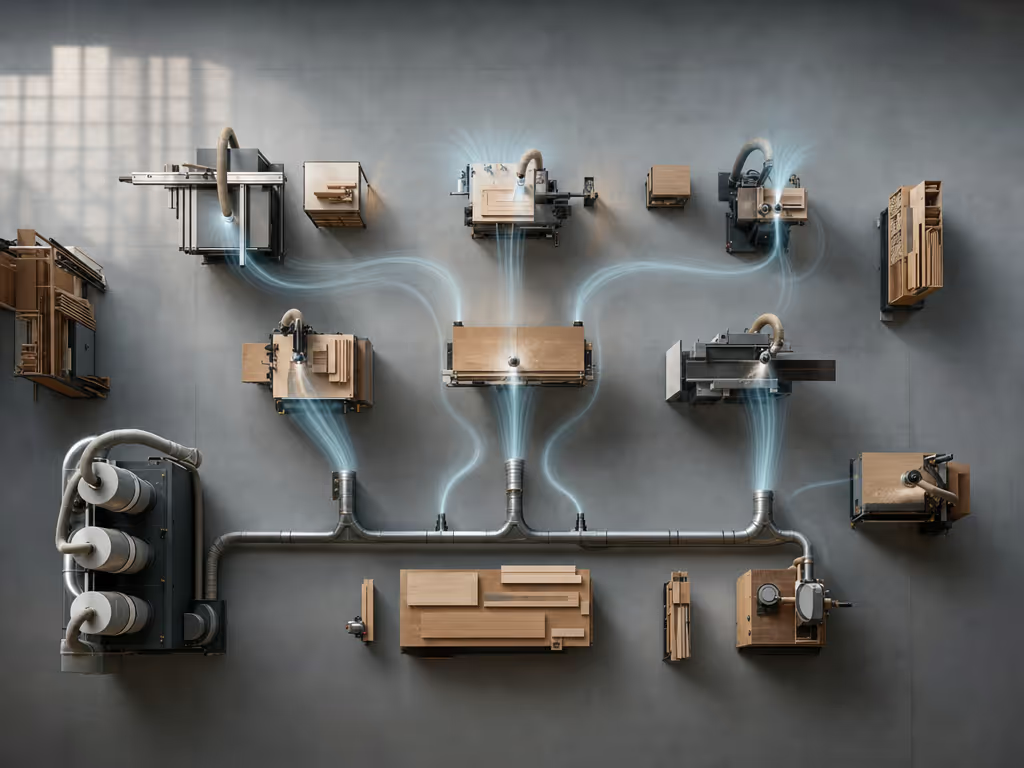
- Plan a fixed, multi-machine local-exhaust arrangement when several woodworking machines need extraction and the layout is stable enough to justify connected ducting and a designed system.
Those categories can overlap. A crew may need source capture at the active tool and a suitable vacuum for cleanup. What does not work well is treating a floor cleanup after the fact as a substitute for capture at the machine.
Downtime bills you twice: once while suction falls off, and again when someone has to clean the work area or correct a dusty result.
FAQ: What is the difference between a shop vac and a dust extractor?
A shop vacuum is generally positioned as a flexible cleanup tool. One publisher comparison characterizes shop vacuums as useful for coarser debris, wet messes, and basic cleanup, while noting that fine dust can load filters and reduce performance. That is a useful starting distinction, not a universal performance test of every model.
The same comparison characterizes dust extractors as tools intended for fine-dust control at the source, with features that may include high-efficiency filtration, sealed containment, and automatic filter cleaning. Those features vary by model, and the comparison does not replace an assessment of the tool, dust, and work environment.
In plain English, ask one question: Are you picking up a mess after the task, or controlling fine dust while the task is happening? The second job calls for a much higher standard of fit, containment, and sustained operation.
For woodworking, both UK HSE guidance and U.S. OSHA guidance point in the same direction: engineering controls and local exhaust at the dust-production point are the preferred approach. Respiratory protection may be needed for very dusty work, but it supplements extraction; it does not replace it.
FAQ: Does a shop vac work for dust collection?
It can have a role, but "shop vac" is too broad to answer yes without qualifiers.
For wood-dust cleanup, HSE advises using a suitable industrial vacuum cleaner meeting at least Class M in its UK guidance. That is not a claim that an ordinary wet/dry vacuum automatically meets that class. Nor does it establish that a generic shop vacuum is suitable for fine-dust source capture at every tool.
A useful split is:
Cleanup and mixed-duty work
A shop vac may suit routine pickup of coarse debris or wet messes when its intended use and filter arrangement match the task. Do not assume one configuration is appropriate for every material or for wet and dry work alike.
Fine-dust tool work
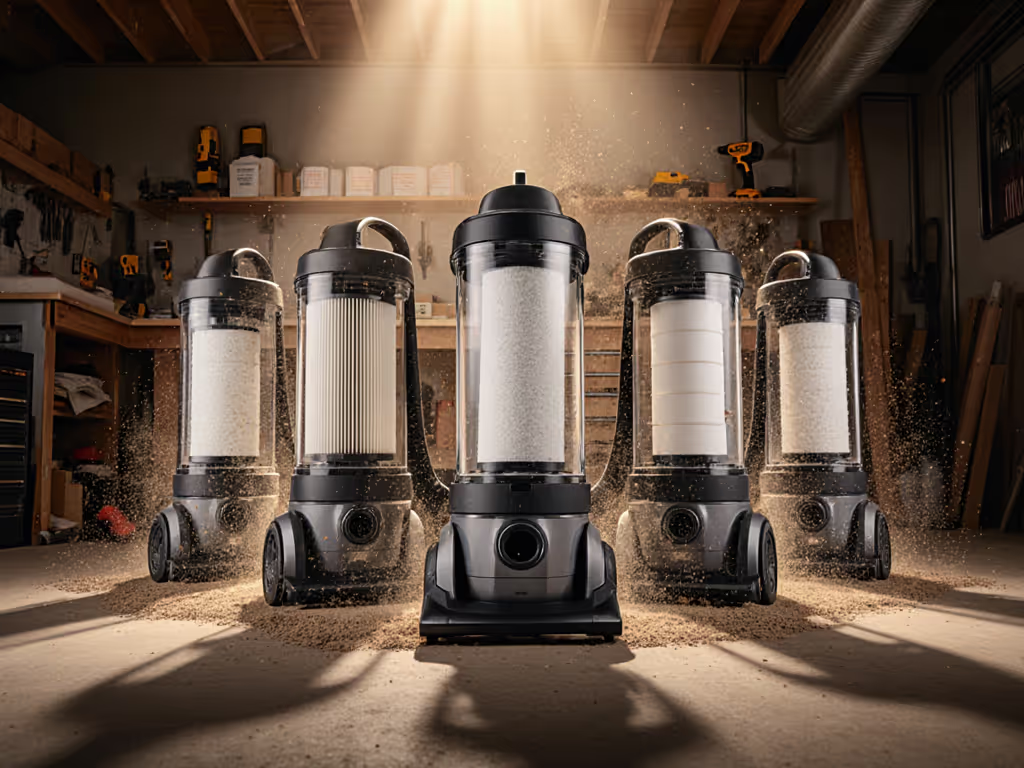
If sanding, cutting, or grinding creates a visible cloud, move the conversation upstream: connection at the tool, extraction performance at that connection, and dust containment during disposal. Fine dust that reaches benches, floors, and ledges has already escaped the first line of control. Because shop-vac performance can fall as filters clog with fine dust, compare shop vac filters for dust control before settling on a fine-dust setup.
I have seen the math in drywall work: a low initial equipment cost disappeared once clogged filters, cleanup labor, and callbacks entered the year's tally. A better-planned containment routine raised consumable spending a little, but reduced job hours and left the air cleaner. Pay once for uptime; pay forever for clogs and callbacks.
FAQ: Should I use a central dust collector for a workshop?
Think of "central" as a fixed local-exhaust design question, not a label that automatically makes a system better.
A multi-machine system is sensible to evaluate when you have repeatable machine locations and several machines that need capture. For a practical woodworking conversion approach, see this guide to turning a shop vacuum into a dust collection system. But it must be designed around:
- The number and type of machines connected
- Which machines may operate at the same time
- The workshop layout
- Each machine's required connection airflow and connection dimensions
The collected evidence provides no universal CFM, duct-size, or tank-size number for this decision. Get the required airflow and extraction connection information from the manufacturer of each connected machine or from an experienced professional. Then design for your actual simultaneous use (not the fantasy that one machine always runs alone).
Airflow indicators are worth treating as operational controls, not decoration. HSE notes that they can show whether extraction is working correctly, whether dampers are open or shut, and when maintenance may be needed.
FAQ: What size shop vac do I need for dust collection?
The collected evidence provides no universal tank-size, horsepower, CFM, or sealed-suction target.
Instead, make a one-page compatibility sheet before buying or assigning equipment:
- Tool and machine name
- Dust-producing operation
- Manufacturer-stated extraction requirement
- Port diameter and connection style
- Whether the tool runs alone or alongside another machine
- Required hose path and number of joints
- Cleanup material and disposal routine
That sheet exposes costly weak points: an adapter that leaks, a hose that does not seat securely, or a tool whose required connection conditions were never checked. Hose dimensions matter as well, so review how hose length and diameter affect suction when planning the route. It also makes a purchasing decision defensible to a supervisor or client.
FAQ: How do I keep dust from coming out of a shop vac?
Do not rely on sweeping or compressed air to solve escaped wood dust. HSE specifically advises against both because they disturb dust and allow it to be inhaled.
Beyond that, the practical answer depends on the exact vacuum, filtration arrangement, material, and task. The available evidence does not validate a universal troubleshooting sequence or a DIY conversion method. What you can verify before returning to work is whether the collection setup is appropriate for the dust, whether seals and connections are intact, and whether performance is being monitored rather than assumed.
If the operation generates potentially combustible dust, sparks, hot particles, or mixed materials, stop short of generic consumer-system advice. OSHA identifies wood, metal, plastic, rubber, and other organic dusts within the scope of combustible-dust hazards in relevant workplaces. That does not mean every small-shop pile is combustible, but it does mean material- and process-specific hazard assessment matters.
The lifecycle-cost choice: calculate the hours, not just the purchase
You do not need pretend precision to compare workshop dust control options. Use a transparent per-job model:
Per-job dust-control cost = equipment allocation + consumables + maintenance labor + cleanup labor + rework/callback allowance
For a weekly planning estimate, write down:
- Minutes lost emptying, cleaning, or restoring suction
- Minutes spent cleaning settled dust
- Filter, bag, or other consumable use per job
- Time lost when a connection fails or the system needs attention
- Any rework risk created by dust in finishes or occupied spaces
Then multiply labor minutes by your loaded labor cost. The numbers do not need to be perfect. They need to be honest enough to show whether the "cheap" setup is charging you in interruptions.
Set maintenance triggers, not wishful calendar promises: a visible loss of capture, an airflow indicator showing a problem, a damaged connection, or dust appearing where it should not. In the UK context, HSE also describes competent-person examination of woodworking extraction at least every 14 months; that is a jurisdiction-specific requirement, not a universal interval.
Your next step: build the decision sheet before the next dusty job
List every dust-producing tool you use this month, mark which ones run at the same time, and obtain each manufacturer's extraction requirement and connection details. Then separate your needs into source capture, cleanup, and multi-machine extraction.
That small planning step prevents the most expensive failure: buying a single machine to do three different jobs without proving it can do any of them well. Choose the setup that keeps capture reliable, cleanup controlled, and crews working, not the one with the lowest price tag on day one.
Related Articles