Shop Vacuum State Regulations: OSHA Compliance Guide
By Aisha El-Sayed • 15th Dec
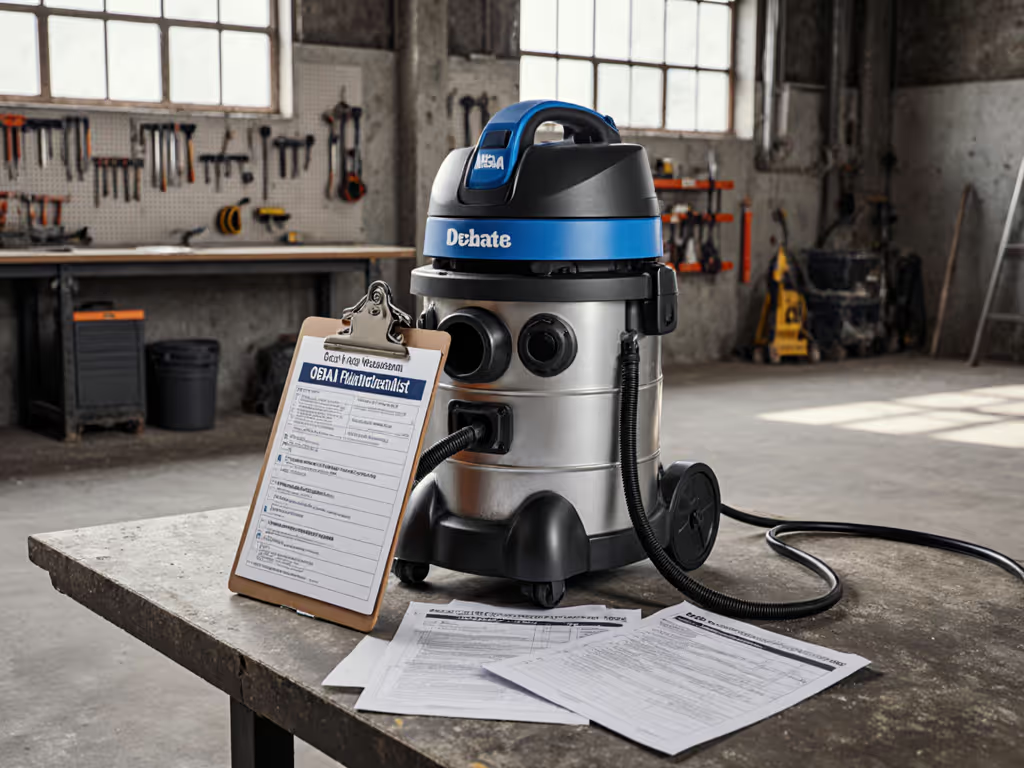
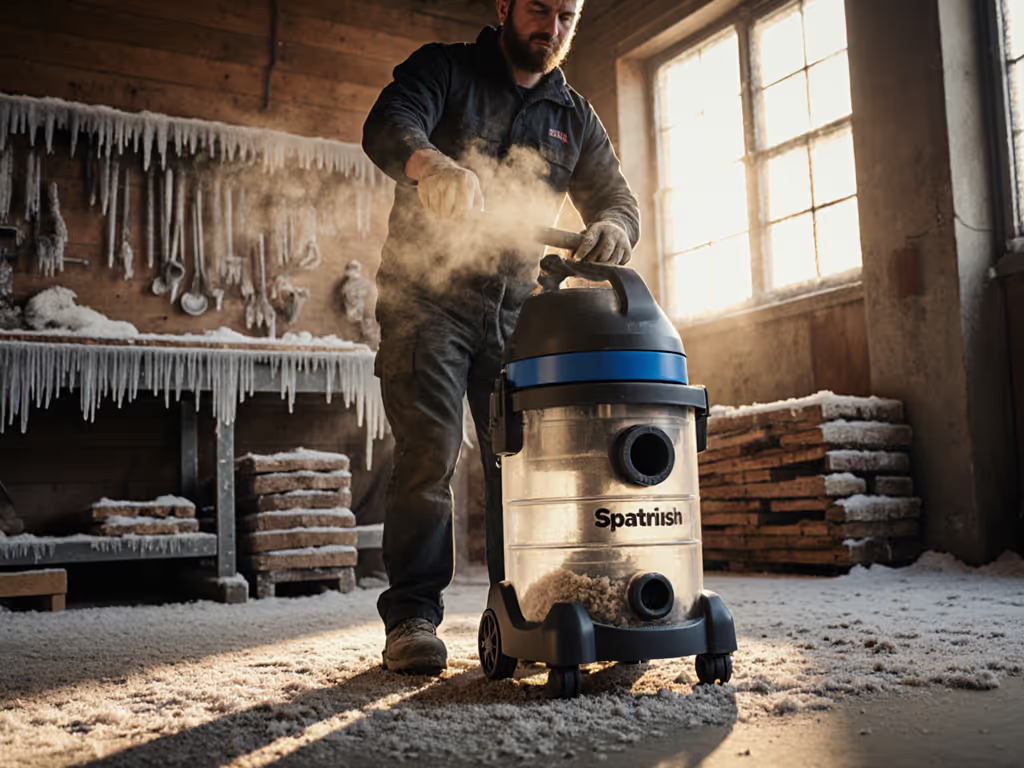
When your shop vacuum arrives on-site without certified HEPA filtration or conductive materials, you're not just risking a citation, you're betting your crew's health and client trust against ever-changing state vacuum regulations. I've seen masonry crews shut down for dry cutting when their vac's paper filter blew silica dust back into the air. Those fines hurt, but the medical costs and lost contracts? Worse. Let's cut through the noise with actionable compliance steps you can implement today.
Why Standard Shop Vacuums Fail OSHA's Silica Rule
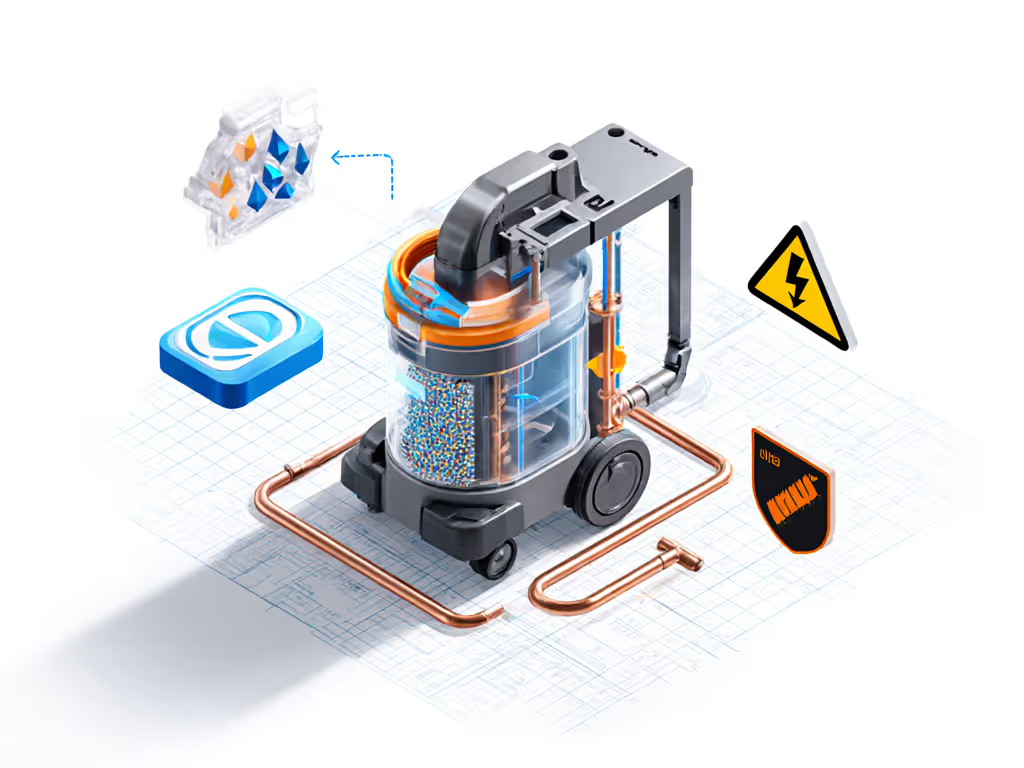
OSHA's Respirable Crystalline Silica standard (1926.1153) requires HEPA-filtered vacuums for tasks generating crystalline silica dust (like concrete cutting, grinding, or tuckpointing). For concrete and masonry tasks, see our silica vacuum compliance guide for Table 1 setups that pass inspection. But here's the critical gap: most consumer-grade shop vacs fail because they lack three non-negotiable features:
- True HEPA filtration (99.97% efficiency at 0.3 microns): Standard foam/cloth filters recirculate fine dust. Paper bags? Useless for silica. Only certified HEPA captures particles small enough to embed in lungs.
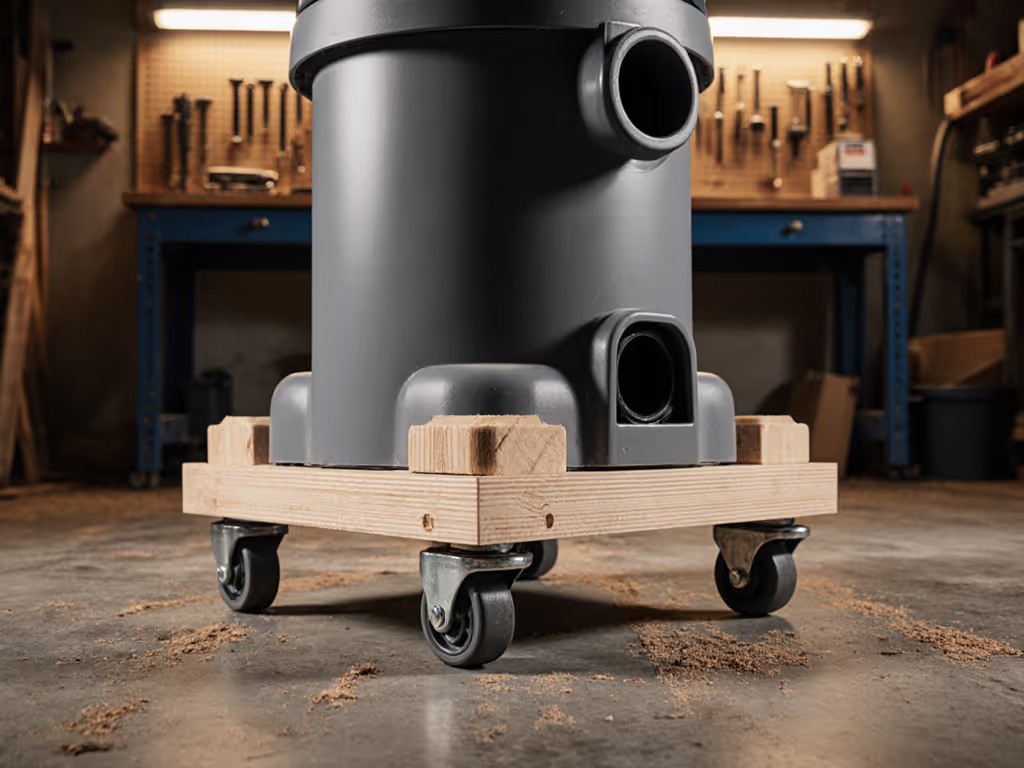
- Fully conductive materials: Non-conductive plastic housings/hoses generate static, igniting combustible dust. NFPA 652 requires all wet/dry vac components to be static-dissipative or grounded.
- Sealed suction pathways: Dust-laden air must never contact the motor or blower. Leaky gaskets or taped joints defeat HEPA filtration.
Pass/fail reality check: If your vacuum's filter isn't labeled "EN 1822:2009 HEPA" or "H13/H14", it's non-compliant. No exceptions.
The State-by-State Trap: Why Your California Job Isn't Montana
While OSHA sets the federal floor, regional dust collection rules layer stricter requirements. Miss these, and your "compliant" vacuum fails inspection:
- California (Cal/OSHA): Requires HEPA filtration for all renovation work in pre-1978 structures (lead abatement overlap). Drywall sanding vacuums must have secondary bag filters plus HEPA.
- Washington State: Mandates vacuum grounding verification logs for every work shift in woodworking shops. A single missed entry equals a $7,000 fine.
- New York City: Requires vacuums used in public buildings to pass NYC DEP noise tests (<65 dB at 3 ft). Most shop vacs hit 78 to 85 dB. If you work in occupied buildings, our low-noise shop vacuum picks highlight models tested under 65 dB.
Key insight: Always check your state's OSHA plan website before bidding. 22 states (like TX, FL) follow federal OSHA only, while 22 others (CA, WA, MI) enforce tougher standards. Assume nothing.
Your Pre-Flight Checklist: Site-Ready Vacuum Verification
Don't wait for the inspector. Use this site-ready checklist at every job start to avoid mid-job shutdowns. I've used this exact list since that dry cutting incident taught me compliance is cheaper than cleanup.
✅ Filter & Filtration System (HEPA)
- Pass: Filter has stamped certification (e.g., "H14") + gaskets are sealed with conductive tape.
- Fail: "HEPA-like" labels, no visible certification markings, or gaskets showing wear.
✅ Conductive Pathway (NFPA 652)
- Pass: Hose labeled "static dissipative" (10^6 to 10^9 ohms resistance) + metal housing with grounding lug visibly connected to building ground.
- Fail: Clear/coated hoses, plastic casters, or grounding wires draped over wheels (not secured).
✅ Dust-Laden Air Pathway (No Blower Contact)
- Pass: Dust collection chamber precedes motor housing (verified via exploded diagram).
- Fail: Vacuum sucking directly into fan assembly (common in <$150 shop vacs).
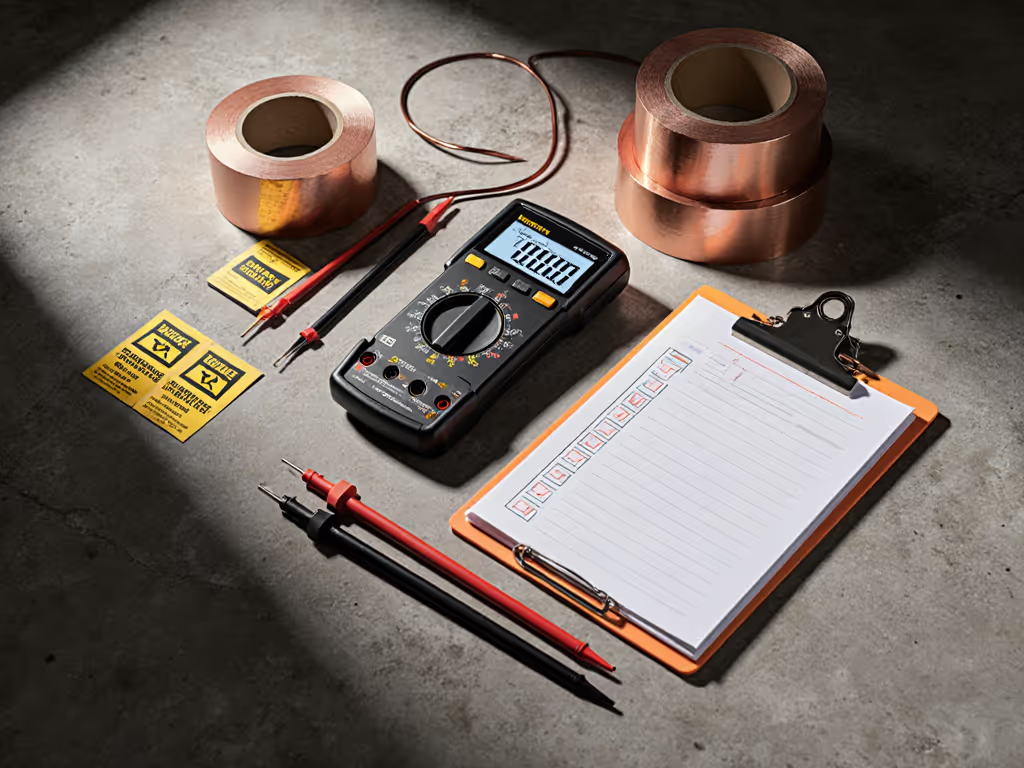
Pro tip: Seal every joint on purpose with copper tape (not duct tape) before first use. Then photograph the sealed unit for your records. This is your insurance when doubts arise.
Why "Environmental Compliance Vacuuming" Saves You Money
Tradespeople confuse compliance with bureaucracy. Truth? Professional vacuum regulations directly protect your bottom line:
- Avoid $15k+ fines: OSHA's Table 1 violations for uncontrolled silica dust start at $15,625 per offense. One drywall crew in Ohio paid $89k after a routine inspection found HEPA filter gaps.
- Prevent lost workdays: Silicosis claims average $300k in workers' comp costs. A single case can bankrupt small contractors.
- Win commercial bids: 78% of general contractors now require vacuum compliance certificates before subbing work (per 2024 Construction Compliance Report).
Critical distinction: Compliance isn't having HEPA, it's proving it. Request a vacuum's test report showing filter efficiency under load (e.g., 100+ CFM airflow). Without this doc, you're non-compliant.
Real Talk: What Your State Department of Labor Actually Checks
Inspectors don't care about your vacuum's horsepower. They look for three things:
- Visible HEPA certification on the filter (not the box)
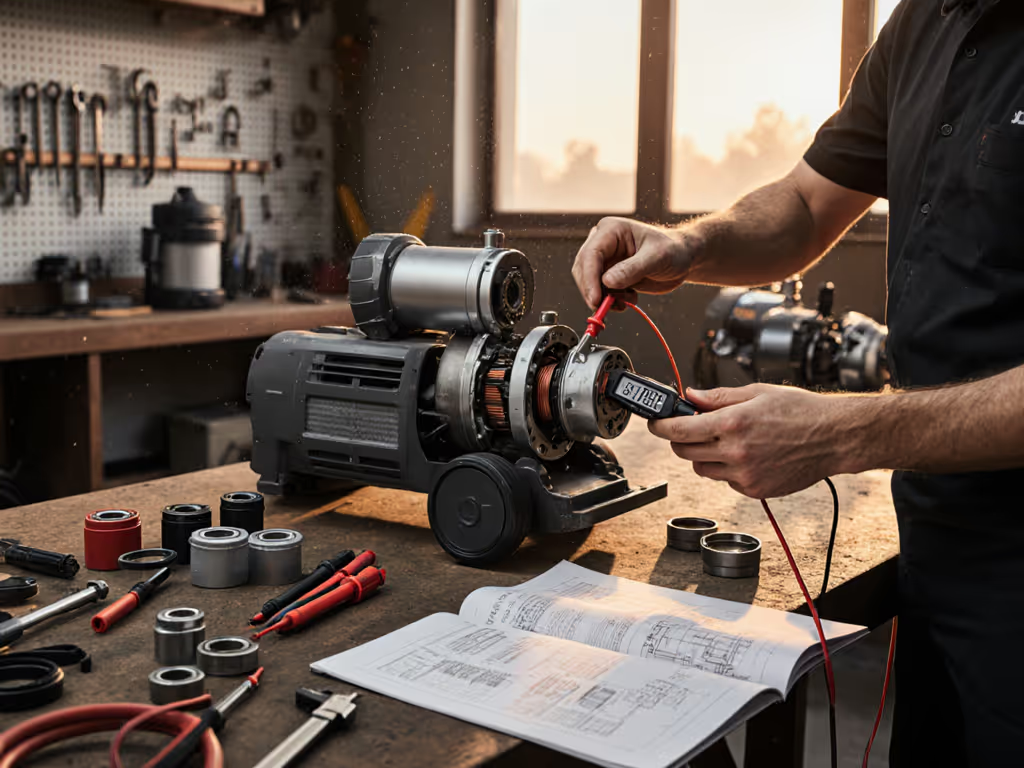
- Grounding continuity verified via ohmmeter (≤ 1 ohm resistance between housing and ground) Review electrical and chemical precautions in our shop vac safety guide to prevent static discharge and incompatibility mishaps.
- Zero dust blow-by during operation (test by running vacuum near smoke pen)
If your system fails any test, expect a Stop Work Order. No warnings. No extensions.
Making Compliance Routine: Your Action Plan
Stop reacting to regulations. Build these habits into your crew's workflow:
-
Tag every vacuum: Use color-coded labels showing:
- Last HEPA test date
- Grounding verification
- Approved tasks (e.g., "Silica Only" vs "General Debris")
-
Double-filter high-risk jobs: For drywall/concrete, use a paper primary bag plus HEPA secondary filter. For drywall crews, follow our drywall dust vacuum guide for filter staging and bag choices that pass inspections. Captures coarse debris before clogging HEPA.
-
Pre-check regional rules: Bookmark your state's OSHA site. WA? Check WISHA module 296-809. CA? Cal/OSHA Title 8 §1529. Set quarterly Google alerts.
Containment first; cleanup is the insurance your lungs deserve.
Remember: Compliance isn't about checking boxes, it's about ensuring your crew goes home healthy and your business stays operational. That dry cutting incident cost us $42k in fines and lost work. Today? My crews breeze through surprise inspections because we map standards to site-ready setups. Seal every joint on purpose, and compliance pays for itself.
Further Exploration
Dive deeper into your state's specific requirements:
- NFPA 652 Handbook (2020 edition) (Section 7.3 covers vacuum specs)
- CDC's NIOSH Silica Topic Page for industry-specific fact sheets
Related Articles