EV Repair Vacuum Safety: High-Voltage Dust Protocols
By Hana Kobayashi • 14th Dec
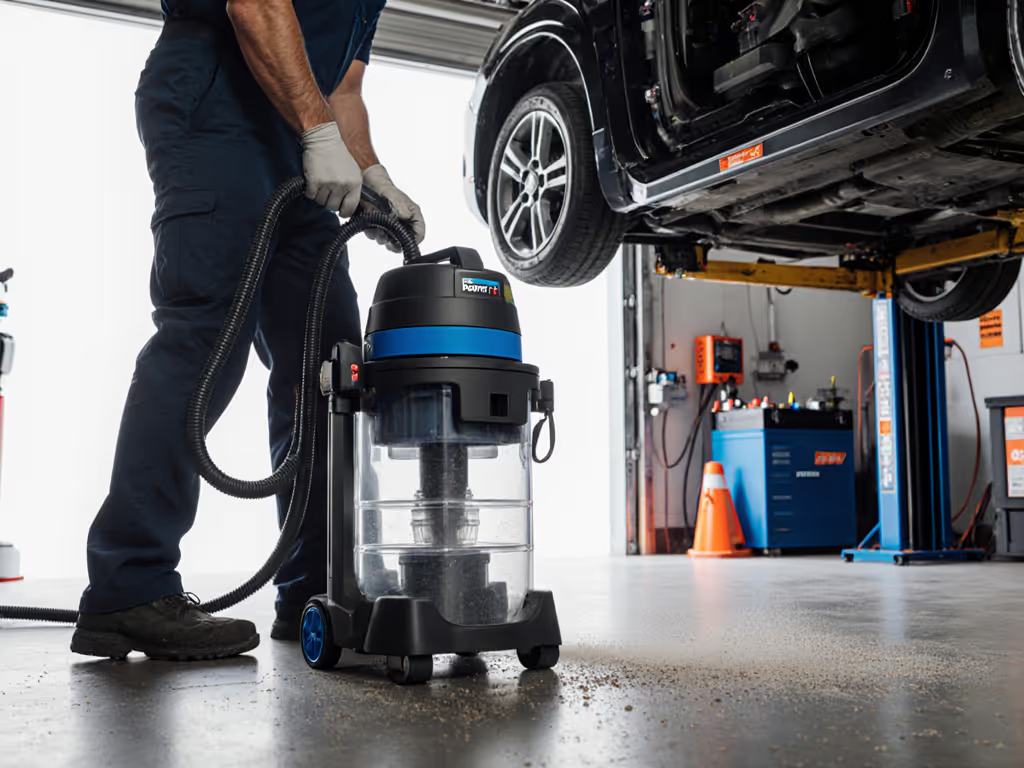
You can't afford a wobbling vacuum when lithium dust hangs in the air. I've seen a single tipped vacuum cost a team their entire morning and nearly a client relationship, all because specs trumped stability. In EV repair vacuum safety, the right workshop vacuum setup isn't about peak horsepower; it's about preventing catastrophic cross-contamination and electrical hazards during lithium battery dust control. As a renovation lead who runs vacs daily across high-risk zones, I prioritize stable, no-fuss setups that keep dust out of high-voltage components. Prep beats cleanup when one spark could ignite airborne particles.
The 8 Critical Steps for Safe EV Dust Management
Follow these pre-flight protocols to protect your team and your shop's reputation during automotive electrification cleaning:
- Isolate & Verify Before Powering On Never connect your vacuum until you've completed three isolation checks:
- Confirm high-voltage battery disconnection using OEM procedures
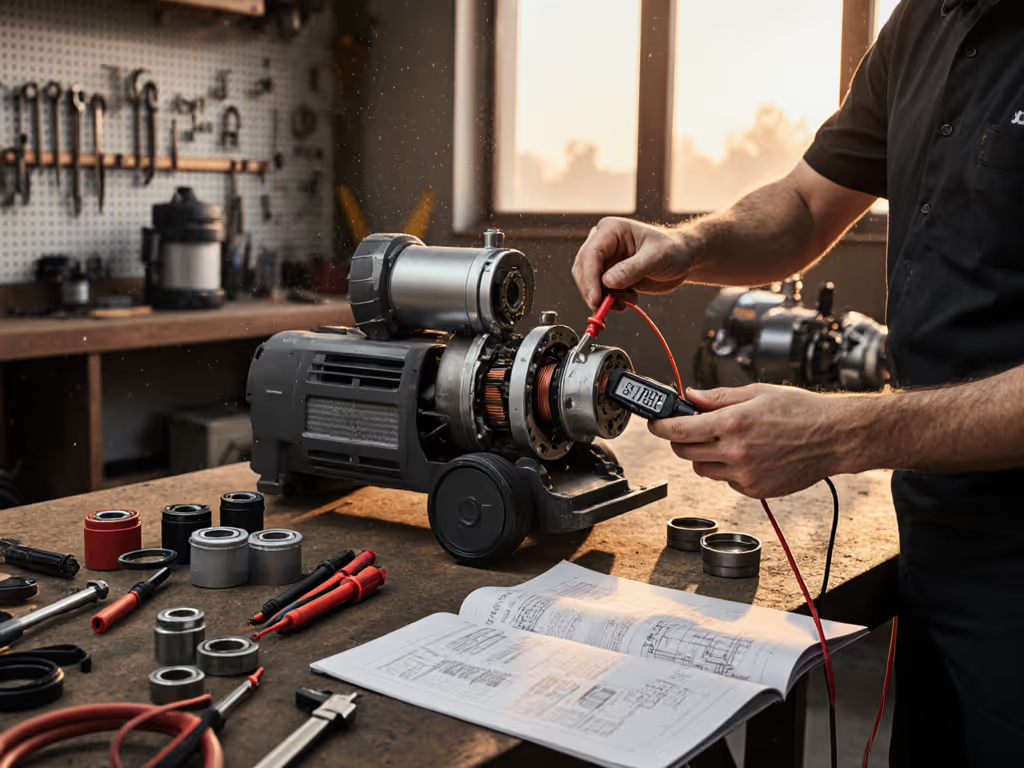
- Verify system voltage is below 60V with a CAT III multimeter
- Double-check all orange-cased cables are capped per manufacturer specs
Always disconnect the 12V battery first before handling high-voltage systems. This prevents accidental re-energizing during cleanup.
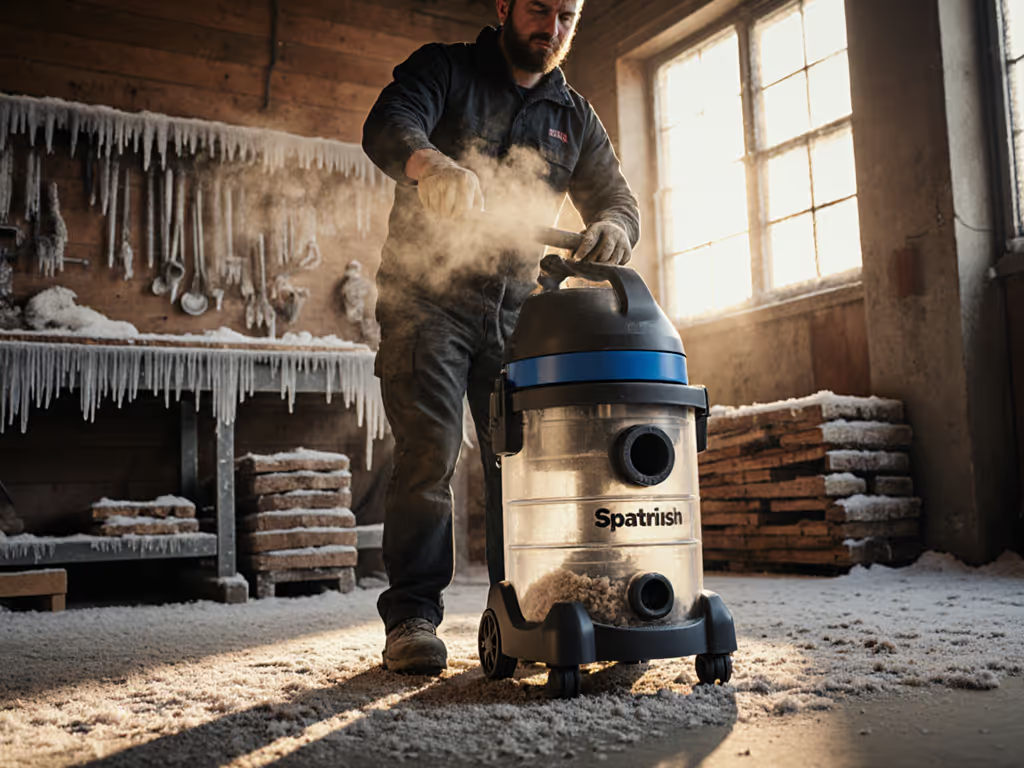
- Lithium Dust Control: Two-Stage Collection System Standard shop vacs will fail with lithium particles. For a deeper explanation of pre-separators, see our cyclone dust separator guide. Use this layered approach:
- Stage 1: Cyclonic pre-separator (minimum 26mm inlet) for coarse debris
- Stage 2: HEPA H13 filter (99.97% @ 0.3 microns) with conductive housing
For wet lithium residue, add a static-dissipating foam sleeve (like 1/2" anti-static polyurethane) between the tank and filter. This prevents electrostatic discharge that could ignite reactive dust.
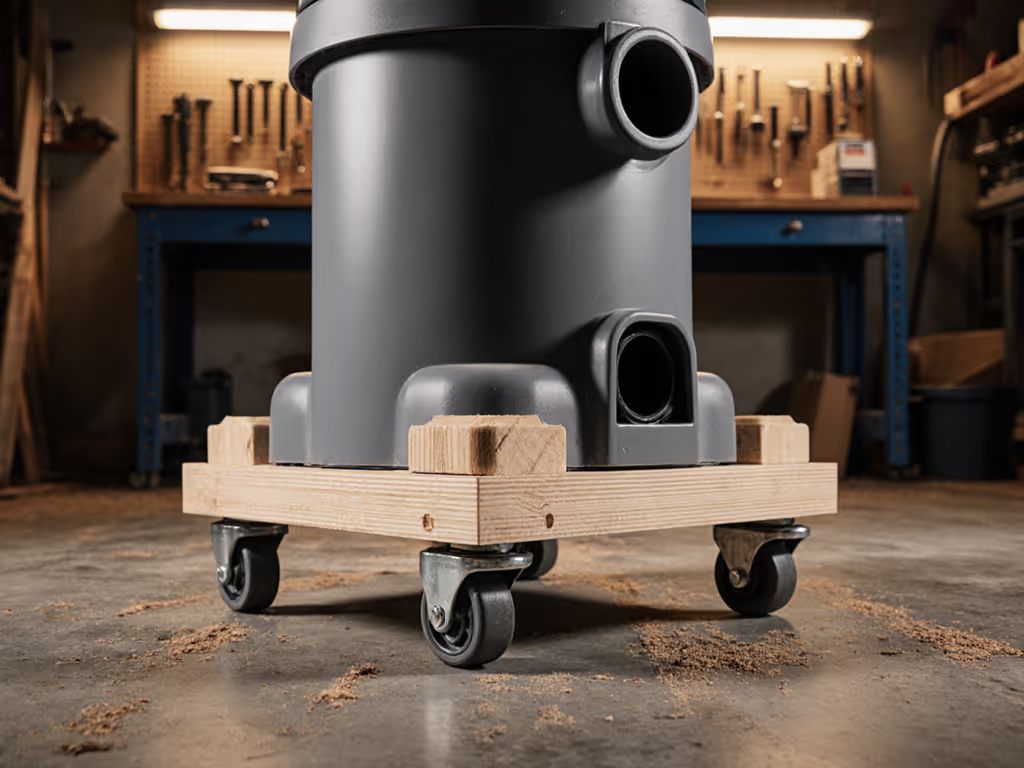
- Vacuum Stability: The 4-Point Rule A vac that stays upright keeps your reputation upright. Ensure your workshop vacuum meets these criteria:
- Base width > 70% of tank height (e.g., 14" base for 20" tall unit)
- Low center of gravity (tank bottom ≤ 10" from floor)
- Locking casters with 360° swivel
- Tool strap attachment points
I always shorten hoses to 6' max in EV bays (less tripping risk and better static control).
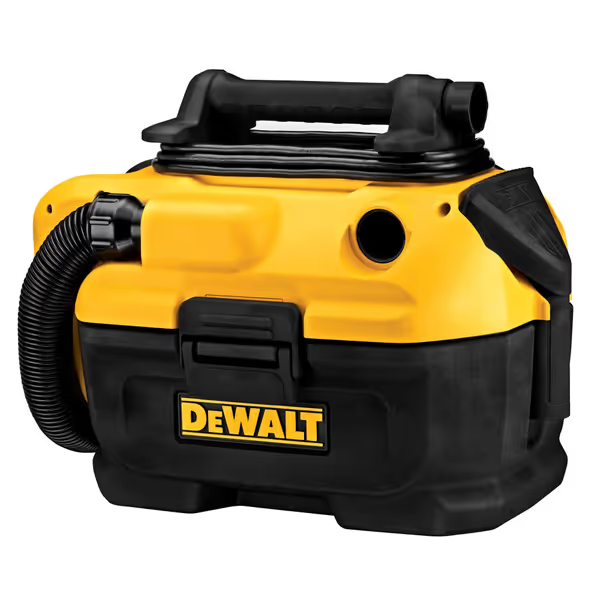
DEWALT 20V MAX 2-Gallon Wet/Dry Shop Vac (DCV581H)
Portable, versatile vac for quick clean-ups, vehicle detailing, and wet messes.
$199
Power SourceCorded & Cordless (20V MAX)
Power SourceCorded & Cordless (20V MAX)
Pros
Dual power: Corded reliability or cordless portability.
2-gallon capacity handles significant wet/dry messes.
Washable, reusable HEPA filter for fine dust.
Compact design with onboard accessory storage.
Cons
Suction power and battery runtime receive mixed user feedback.
Not intended for heavy-duty, continuous shop use.
Customers find this vacuum cleaner to be a quality tool that works well for basic clean-up tasks and vehicle maintenance. They appreciate its portability, being able to carry it easily to the car, and its compact size that makes it suitable for various jobs. The battery life receives mixed feedback, with several customers reporting that batteries don't hold a charge, while the suction and power performance also get mixed reviews, with some finding it very good while others say it's not super powerful.
Customers find this vacuum cleaner to be a quality tool that works well for basic clean-up tasks and vehicle maintenance. They appreciate its portability, being able to carry it easily to the car, and its compact size that makes it suitable for various jobs. The battery life receives mixed feedback, with several customers reporting that batteries don't hold a charge, while the suction and power performance also get mixed reviews, with some finding it very good while others say it's not super powerful.
- Anti-Static Everything Protocol Standard PVC hoses create static sparks when handling lithium dust. Mandatory upgrades:
- Conductive hose (look for 10⁶-10⁹ ohm resistance)
- Grounding wire clipped to vacuum body and vehicle chassis
- Copper-mesh filter sleeves (never use polyester bags)
Test your setup by vacuuming baking soda onto a grounded metal sheet. If you handle circuit boards or sensitive modules, follow our ESD-safe vacuum setup to minimize static risk. Any visible spark means immediate replacement.
- High-Voltage Safety Vacuuming: The 3-Foot Buffer Maintain this critical zone:
- No vacuum components within 36" of exposed HV connectors
- Hose runs perpendicular to high-voltage cables (never parallel)
- Vacuum positioned uphill/upwind from work area
Your vacuum's exhaust must vent outside the service bay, never recirculate potentially contaminated air near lithium components.
- EV Service Center Dust Collection: Quick-Change Filters Change filters after every lithium battery job using this sequence:
- Power off and unplug vacuum
- Discharge housing with grounding stick
- Remove filter in sealed HEPA bag
- Wipe tank interior with 70% isopropyl alcohol
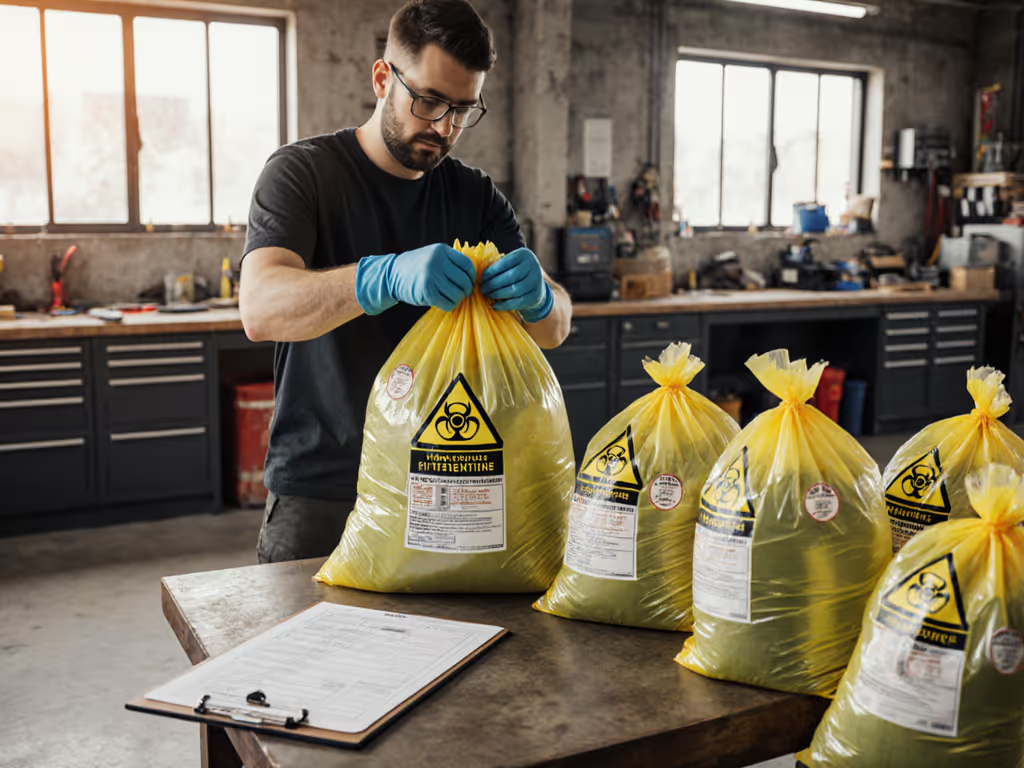
Permanent filter contamination risks thermal runaway during future use. When in doubt, bin the filter. For proper bag and cartridge disposal after hazardous cleanup, use our vacuum filter disposal guide.
- Cord Management for Zero-Trip Zones Use this field-tested method:
- Coil excess cord on wall-mounted hooks (never floor level)
- Secure hose with Velcro straps every 18"
- Place warning cones at all cord transitions
On a recent BMW iX3 repair, I prevented a close call by strapping the DEWALT DCV581H hose to the lift arm, no more wandering cords near service plugs. If you use that model, see our DEWALT DCV581H review for HEPA details and cord/hose tips.
- Post-Operation Verification Checklist Never assume cleanup is complete. Verify with:
- White glove test on HV component surfaces
- Air particle counter scan (≤ 5,000 particles/ft³ @ 0.5µm)
- Multimeter check for residual conductivity
If your vacuum leaves visible dust rings around the collection port, it's time for a filter seal inspection. One compromised gasket could contaminate the entire bay.
Protect Your Most Valuable Asset: Your Team's Safety
EV repair vacuum safety isn't about compliance checkboxes, it's about ensuring your crew goes home without lithium dust in their lungs or static sparks near HV systems. I've watched teams rebuild their entire reputation after a single vacuum incident contaminated a $20k battery pack. The cost? Three weeks of lost revenue and special hazmat disposal fees.
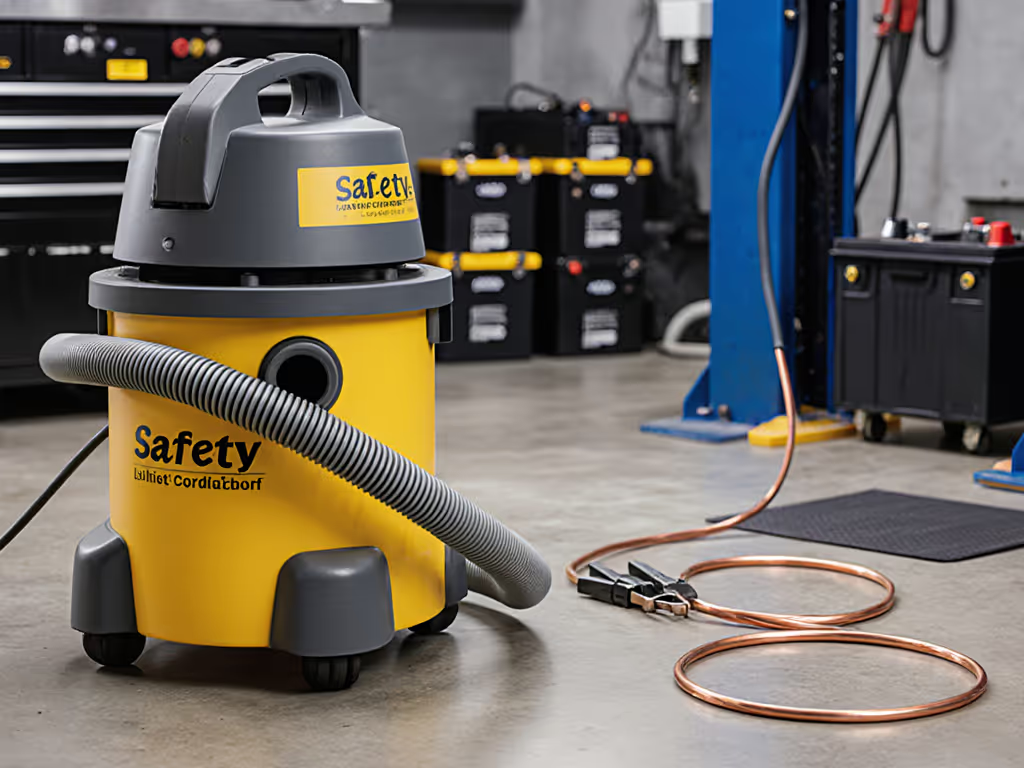
Remember the core truth we learned from hard experience: smooth workflow beats specs every time. A vacuum that never tips prevents the disaster that no spec sheet can measure. Your clients notice dust on their new battery housing far more than they care about your vacuum's water lift rating.
Take action today: Grab your shop vacuum and perform the 4-point stability test described in Step 3. If it fails, implement one upgrade from this list before your next EV job. Document the change with a photo and tag #EVvacSafety, your future self will thank you when lithium dust hangs in the air and the clock is ticking. Prep beats cleanup when lives are on the line.
Related Articles